
 Benefits of a Hot Water Heat Pump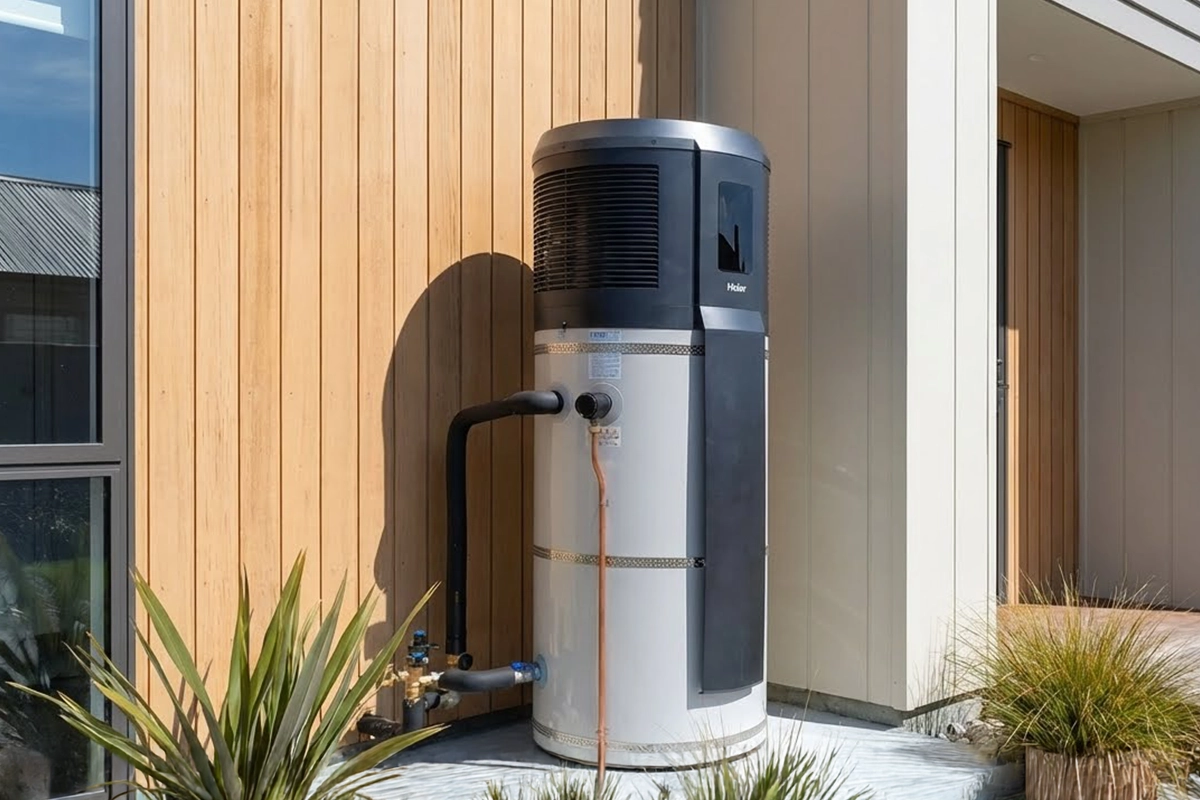
Did you know the standard water heater sitting in your basement or hot water cupboard is likely the second-largest energy consumer in your home? According to the EPA’s Energy Star data, traditional tanks use massive amounts of power simply to generate warmth from scratch.
Picture your kitchen refrigerator, but running completely in reverse. Instead of burning electricity to make things hot, a heat pump hot water heater acts like a thermal sponge, soaking up existing heat from your utility room’s air and transferring it directly into the water.
Shifting from expensive heat creation to clever heat transfer completely changes how much you pay for daily showers. Exploring this technology reveals why it is the ultimate tool for reducing home water heating electricity bills by up to 70 percent.
Borrowing Heat from Thin Air: How It Cuts Power Bills
A heat pump hot water system uses a special heat-carrying fluid or refrigerant that easily absorbs room temperature heat from the ambient air.
This method of transferring heat drastically changes the math on your utility bill compared to older models. Here is how the energy input compares to the heat output:
- Standard Electric Tank: 1 unit of electricity generates 1 unit of heat.
- Heat Pump Tank: 1 unit of electricity captures 3+ units of heat.
Experts measure this incredible return using the coefficient of performance (COP) for residential heating. A COP of 3.0 simply means 300% efficiency. You only pay the electricity cost to move the heat, giving you two units for free and unlocking massive high-efficiency hybrid water heater savings.
Because this machine constantly pulls warmth and moisture out of the surrounding air, it leaves the room slightly cooler and drier, providing an excellent secondary benefit.
The Dehumidification Dividend: Why Your Laundry Room Loves It
As the machine pulls warmth from the ambient air, condensation naturally forms on its internal coils, stripping out excess moisture. This built-in dehumidification effect provides free climate control exactly where homes typically need it most.
To ensure your heat pump hot water cylinder has enough ambient air to “breathe,” it requires a room with plenty of cubic space or a louvered door. Placing your system in these locations maximizes the cooling and drying perks:
- Unfinished Basements: Banishes familiar damp, musty smells.
- Laundry Rooms: Counters the heavy humidity generated by clothes dryers.
- Garages: Keeps the surrounding space more temperate during sweltering summer months.
Enjoying a drier utility room is an incredible daily bonus, but upgrading your home’s plumbing does require an upfront investment that pays off over time.
Real-World ROI: Comparing Initial Costs vs. Long-Term Savings
Comparing the heat pump versus electric tank water heater cost on a retail sticker might initially make you pause. Fortunately, choosing Energy Star certified systems unlocks substantial financial incentives, including generous federal tax credits that immediately slash your out-of-pocket expenses.
Once installed, the financial benefits shift directly to your monthly utility bills. By efficiently capturing ambient heat rather than generating it from scratch, the appliance generally pays for itself through utility savings in just three to five years.
Beyond that break-even point, you enjoy pure profit for the remaining average lifespan of indoor hybrid hot water units, which typically run reliably for 10 to 15 years. Before calculating those long-term savings for your household, however, you must ensure the unit fits your physical space.
Installation Reality Check: Noise, Space, and Choosing the Right Size
Because heat pump units need plenty of air to draw from, the minimum clearance for indoor installation is typically 700 cubic feet. If you are wondering about the noise level, their fans simply generate a low, steady hum, comparable to a running refrigerator in your kitchen.
Properly sizing a heat pump water heater for your family’s routines means matching your household size to a standard tank. You must also consider the “recovery rate” which is how quickly the unit reheats new water after your family takes back-to-back morning showers.
With physical space and daily settings mapped out, you can confidently begin planning your home upgrade.


Online recommendation builder
Find HRV products to suit your home in around 2 minutes.
Get a recommendation