
 Benefits of Installing a Heat Pump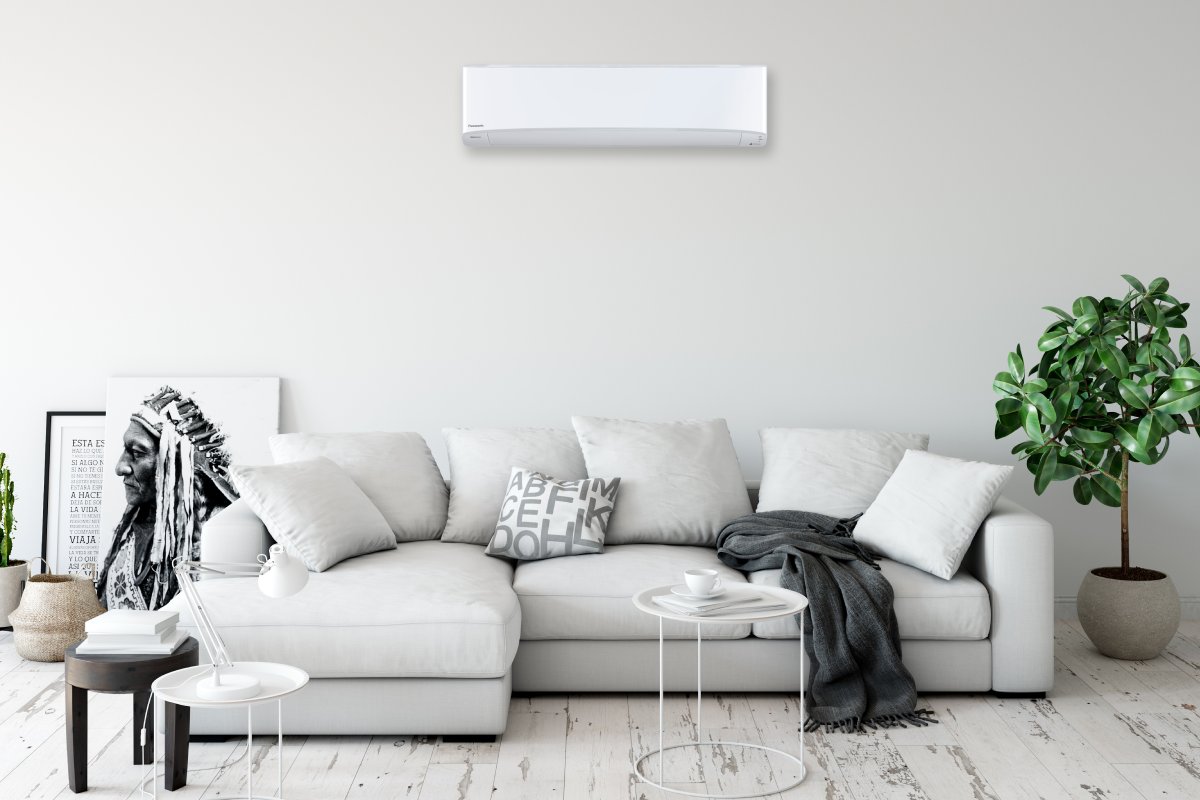
Have you noticed your energy bills skyrocketing every time the temperature drops? You aren’t just paying for warmth; you’re paying for the incredibly inefficient way traditional systems burn fuel to create it. Installing a heat pump changes that entire financial equation.
What if the secret to lowering those utility costs was already sitting in your kitchen? Instead of generating warmth from scratch, a home heat pump acts exactly like your refrigerator, simply moving existing heat from one place to another. Even freezing winter air holds trapped thermal energy ready to be captured and brought indoors.
Consolidating a clunky furnace and separate air conditioner into one electric heat pump saves valuable basement space while dramatically improving efficiency. According to the Department of Energy, households upgrading to this two-way technology can slash their electricity use for heating by up to 50 percent.
The ‘Fridge in Reverse’ Secret: How One Unit Handles Both Summer Heat and Winter Chills
The back of your refrigerator feels warm while the inside stays chilled. That basic energy transfer is the secret behind a modern aircon pump, proving your summer cooling system and winter home heater can actually be the exact same machine.
Thanks to this dual heating and cooling functionality, you no longer need completely separate appliances taking up space. A heat pump air conditioner operates like a two-way street, pushing muggy heat out of your living room in July, and simply reversing that flow to pull warmth inside during December.
Finding warmth outdoors during a freezing winter sounds impossible, but it helps to think of heat energy like microscopic flakes of gold. Even when temperatures drop below freezing, the system acts like an expert miner, extracting those hidden flecks of ambient heat from the chilly air and concentrating them to comfortably warm your home.
A quiet wall-mounted air conditioning unit easily delivers this total year-round comfort from one compact device. This reversed cycle gathers free outdoor warmth, turning a single dollar of electricity into four dollars of heat.
Turn $1 of Power into $4 of Heat: The Efficiency Math That Slashes Monthly Bills
Every time you turn on a traditional space heater, you pay to create warmth from scratch. One unit of electricity gives you exactly one unit of heat. Because our “fridge in reverse” uses power simply to pull existing warmth inside, it creates an incredible 1-to-4 ratio. You pay for one unit of electricity, but the system delivers four units of heat, drastically lowering your overall heat pump energy cost.
To see exactly how much can a heat pump save on monthly bills, compare the power required to produce identical warmth:
- Standard 2kW plug-in heater: Uses a full 2,000 watts of electricity continuously.
- 2kW-output heat pump: Uses roughly 500 watts to deliver that exact same comfort.
Shopping for this equipment means checking the energy efficiency ratings for HVAC systems printed on the unit. You will see acronyms like SEER2 for cooling and HSPF2 for heating. Just treat them like the miles-per-gallon rating on a car higher numbers mean lower monthly utility spending.
Upgrading your home requires an initial purchase, making it important to weigh heat pump installation cost and ROI. However, when comparing heat pumps to gas boilers, that upfront price tag is steadily erased by years of cheaper monthly statements and completely avoiding massive winter fuel deliveries.
Protecting your wallet brings wonderful peace of mind, yet financial comfort is only half the story. The gentle way these units circulate air naturally manages humidity, paving the way to breathe easier and stay dry indoors.
Breathe Easier and Stay Dry: Why Your Health Depends on Better Airflow
Traditional furnaces blast scorching air, leaving you sweating and then shivering twenty minutes later. This “burst” heating is not just uncomfortable; the constant temperature swings can actually dry out your sinuses. Conversely, sustainable home heating solutions act like a car’s cruise control, gently and continuously circulating air to maintain perfectly even, healthy temperatures throughout your living space.
Beyond consistent warmth, these systems provide a whole-house shield. While a basic residential air conditioning system primarily focuses on cooling, heat pumps continuously pull air through advanced filters while extracting excess moisture. This active dehumidification transforms damp, stuffy rooms into crisp, clean sanctuaries.
Constant gentle airflow guarantees four major indoor air quality improvements with HVAC upgrades:
- Dust filtration: Capturing pet dander and daily grime before it settles.
- Pollen removal: Trapping seasonal outdoor allergens inside the filter.
- Humidity control: Wringing out sticky moisture automatically.
- Mold prevention: Starving mildew by keeping your walls and air dry.
Transforming your home’s air protects your family’s health, and upgrading is surprisingly accessible. Whether researching local utility deals or evaluating equipment options, these everyday benefits prepare you for smart shopping.
Smart Shopping and Max Savings: How to Score the Best Heat Pump Deals
Upgrading shouldn’t drain your wallet. Matching the unit’s heating power to your exact square footage ensures you find high-value, affordable equipment. Use this checklist:
- Check for Energy Star ratings.
- Look for seasonal heat pump specials.
- Verify credentials with reputable heat pump retailers.
- Ask about the latest deals.
- Size the unit perfectly for the room.
Securing the right equipment protects your budget and maximizes your long-term return on investment.
From High Bills to High Comfort: Your 3-Step Plan to Upgrade Your Home
Moving heat instead of making it is highly efficient. This simple shift drastically lowers household greenhouse gas emissions while keeping your energy bills manageable year-round. It is a rare win for both your wallet and the planet.
To begin the upgrade process, assess your home’s heating needs, research local deals, and check prices to plan a realistic budget. With the right technology in place, you can completely transform your home’s comfort and energy efficiency.


Online recommendation builder
Find HRV products to suit your home in around 2 minutes.
Get a recommendation