
 Ducted Heat Pump Systems in NZ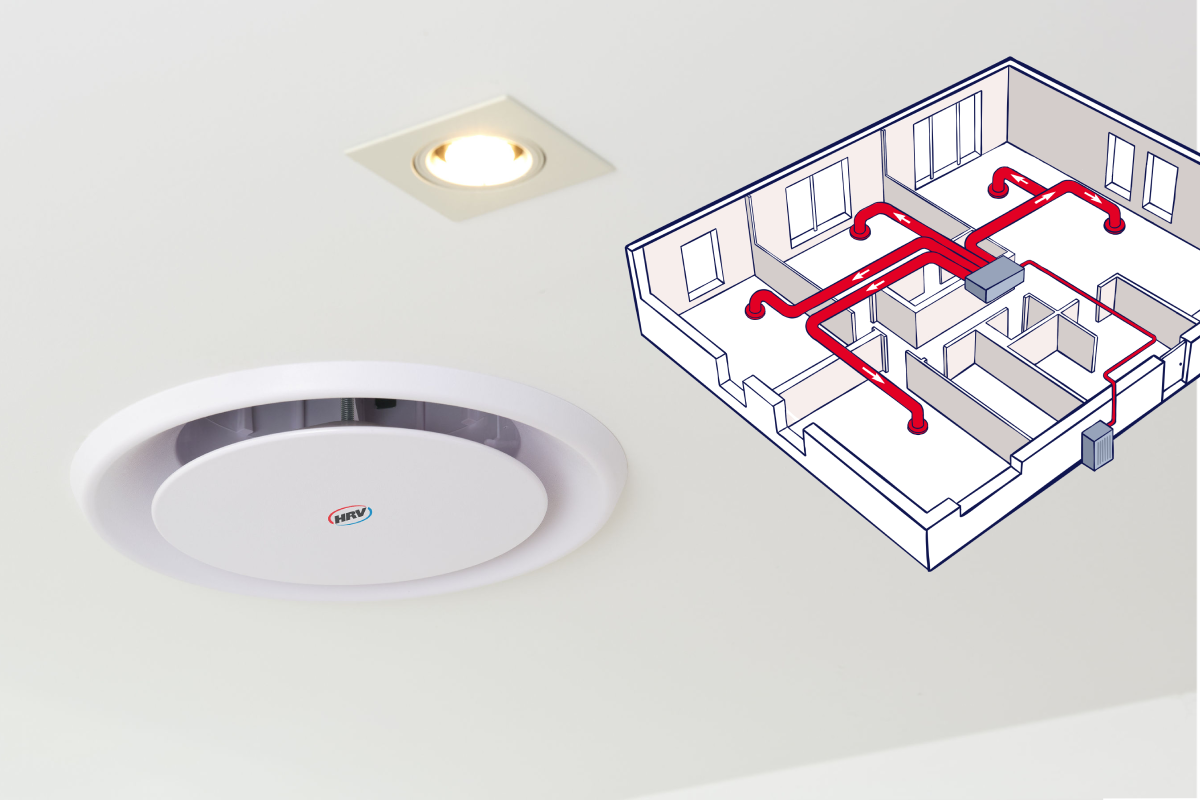
We’ve all had a bedroom in a Kiwi bungalow that stays freezing no matter how high the lounge heat pump is cranked. According to local installers, this occurs because standard wall units are built for isolated room heating, not whole-home conditioning. Instead of leaving doors open hoping warmth spreads, a ducted heat pump system actively targets your entire environment.
If you hate staring at bulky plastic wall boxes, this invisible approach offers an elegant solution. Hiding the equipment inside your roof space means your central cooling system and heating setup operates out of sight. Think of it as insulated highways carrying air to subtle ceiling vents, delivering premium heat pump house heating without compromising interior design.
How Ducted Heat Pumps Turn Your Roof Space into a Climate Control Hub
While standard heat pumps share the workload between an outdoor compressor and a visible indoor box, ducted models hide that large internal fan unit completely out of sight in your roof space or underfloor cavity.
From this hidden central hub, insulated ducting acts as thermal highways, carrying warmth silently to your rooms without letting heat escape. The air enters your living areas through discrete vents, tailored to your home’s foundation:
- Ceiling Vents: Perfect for concrete slabs or standard modern builds with ample roof space.
- Floor Vents: Ideal for high-ceiling villas or older timber-floored homes with underfloor access.
To complete the cycle, a large “return air” grille pulls room air back through a filter, removing dust before reheating and recirculating it. This constant airflow is exactly what makes ducted heating systems and ducted air conditioning in NZ so remarkably efficient. This smooth, continuous airflow provides the perfect foundation for multi-zone climate control, allowing you to manage specific areas like light switches to save money.
Mastering Multi-Zone Climate Control: Using ‘Light Switches for Air’ to Save Money
Leaving every light on in the house wastes power, yet basic heating often does exactly that. With multi zone climate control for residential houses, you direct airflow only where it is actually needed. Inside your roof’s ducting, motorized valves called dampers act like traffic lights. They open and close automatically, letting you warm the lounge during movie night while shutting off airflow to empty guest rooms.
Dialing in personalized temperatures completely changes how your family experiences winter. You can keep the master bedroom cool for sleeping while holding the kids’ rooms at a steady, warmer temperature. By combining this flexibility with smart climate scheduling, the system matches your daily routine. Pre-heating the kitchen right before breakfast maximizes energy efficient ducted ventilation benefits without leaving the unit running constantly overnight.
Controlling exactly where your heat flows ultimately protects your power bill. Because the system never works hard to condition unused spaces, you actively reduce the annual running costs of electric central heating. However, enjoying these daily savings requires specific structural space to safely house and operate the equipment.
Can Your Current NZ Home Handle a Ducted Upgrade?
Hiding the hard work of a whole-home system requires decent structural space. While renovating and removing GIB is the ideal time to install, retrofitting central heating in older NZ homes means working with your existing bones. The central unit and its insulated ducting highways need room to breathe, making an upfront layout assessment crucial.
Installers typically run through this compatibility checklist:
- Roof Pitch Clearance: Ceiling setups require at least 600mm of peak height to safely house the main unit.
- Underfloor Access: If your roof is flat, navigating floor joists works beautifully, provided there is ample crawl space for the ducting.
- Electrical Board Capacity: Your current switchboard must be able to safely handle the new power load.
These physical limits decide whether your vents deliver warmth from the ceiling or the floor. While traditional villas easily fit auckland ducted heat pumps inside expansive roofs, tight modern builds might need creative routing. Mapping out these structural limits early on ensures you can accurately project your installation budget and weigh it against the long-term energy savings.
The Price of Comfort: Comparing Installation Costs vs. Long-Term Value
While putting a standard hi-wall unit in the lounge is cheaper upfront, it rarely fixes freezing bedrooms or winter condensation. A whole-home system acts as a capital upgrade that tackles weeping windows directly, adding serious resale value to your property while keeping long-term power bills manageable.
Understanding ducted air conditioning prices in NZ means comparing your options against the alternatives.
Fortunately, researching ducted heat pump prices in NZ does not always mean paying retail out of pocket. Depending on your home’s age and location, checking your eligibility for EECA Warmer Kiwi Homes heating grants could significantly offset those upfront costs, making a whole-home heating upgrade much more accessible.
Your 3-Step Action Plan for a Whole-Home Heating Upgrade
Achieving a uniform temperature across your entire property means you no longer have to settle for cold hallways. When choosing reliable air conditioning brands that NZ homes trust, such as Daikin and Mitsubishi Electric, prioritize quiet indoor unit placement for home comfort. Keep the main machinery away from directly above bedrooms, and begin your upgrade with this checklist:
- Measure your available roof or underfloor space
- Secure quotes from three different certified installers
- Check for integrated, high-quality air filters
By maintaining ducted systems for optimal performance through a regular servicing schedule, you guarantee years of silent, highly efficient operation. Treat this hidden system as a permanent upgrade to your Kiwi lifestyle, ensuring a perfectly balanced, condensation-free winter for your entire household.


Online recommendation builder
Find HRV products to suit your home in around 2 minutes.
Get a recommendation