
 Bathroom & Laundry Extraction to reduce Condensation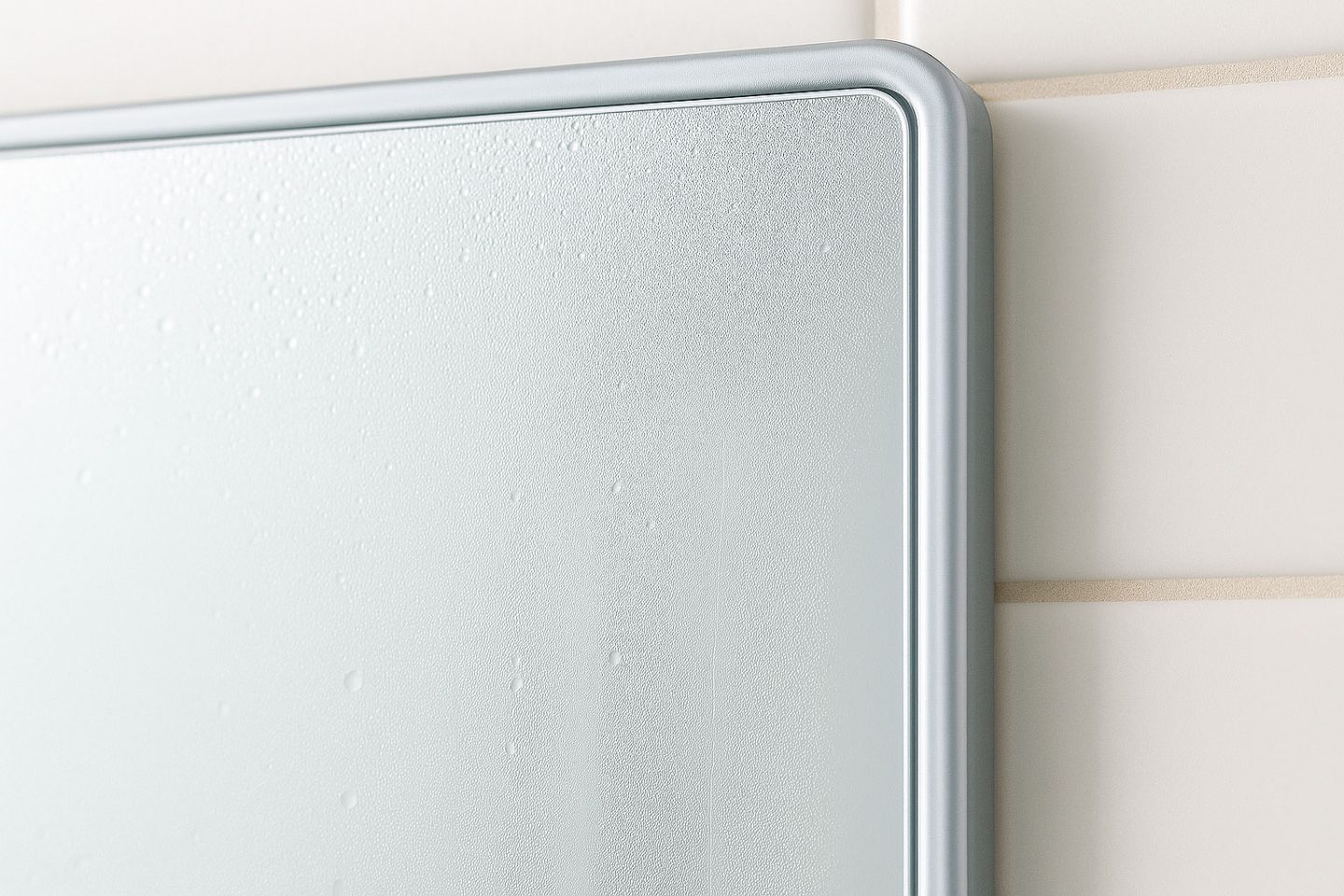
Have you ever stepped out of a warm, relaxing shower only to find your mirrors completely fogged up and condensation running down the walls? Excess moisture is a common household nuisance, but it is much more than just a minor annoyance. Uncontrolled humidity can severely impact your indoor air quality, trigger allergies, and threaten the structural integrity of your home.
If you have been researching how to reduce window condensation effectively, you have likely realized that opening a window isn’t always enough. Investing in an advanced, purpose built solution like the HRV Vortex extractor fan could be the game changer your home needs to stay dry, fresh, and healthy.
The Hidden Impact of Poor Ventilation
Every time you cook, shower, or run the dryer, you release liters of invisible moisture into the air. In the colder months, this becomes a compounding problem. Improving indoor air quality in winter is notoriously difficult because we naturally tend to keep our doors and windows tightly shut to trap the heat.
Without a dedicated ventilation system to manage this trapped moisture, the damp air settles on cold surfaces. Over time, this leads to peeling wallpaper, rotting wood, and unhealthy fungal growth. Finding reliable home condensation control systems is absolutely crucial for maintaining a healthy living space. A high quality air extractor acts as your first line of defense, actively pulling moisture laden air out of your home before it has the chance to cause permanent damage.
Enter the HRV Vortex Extractor Fan: What Sets It Apart?
When it comes to top tier airflow solutions, the HRV Vortex extractor fan is an industry standout. But what exactly makes a vortex extractor so uniquely effective compared to standard fans?
Unlike basic fans that struggle against air resistance, a vortex-style fan utilizes advanced aerodynamic technology to move large volumes of air quickly. If you are currently looking into replacing old ceiling extractor units that rattle loudly and barely clear the steam, upgrading to this modern technology is a revelation.
Here is why it makes such a significant difference in residential homes:
Powerful, Sustained Suction: When evaluating inline vs axial extraction fans, the differences are stark. Axial fans (the traditional fans mounted directly on walls or windows) are great for short distances but lose power quickly. Inline centrifugal models, like the Vortex, generate much higher pressure. This makes them far superior at pulling air through long runs of ducting up into the roof cavity and out of the house.
Whisper-Quiet Operation: Nobody wants a fan that sounds like a jet engine taking off while they are trying to relax in the tub. Homeowners today prioritize quiet high performance ventilation units that do the heavy lifting without disrupting the peace of the household. By mounting the motor in the roof space rather than the ceiling directly above you, the noise level is drastically reduced.
Smart Technology Integration: Modern extraction isn’t just about raw power; it is about efficiency. Many modern setups incorporate smart technology to maximize automatic humidity sensor fan benefits. This means the fan intuitively turns on or speeds up when it detects a spike in room moisture, and automatically shuts off once the room is dry saving energy while ensuring your home remains protected.
Protecting Your Most Moisture-Prone Rooms
Certain areas of your property are ground zero for daily humidity. Let’s look at how targeted extraction safeguards these specific spaces.
The Bathroom
Your bathroom is undoubtedly the wettest room in the house. A robust, reliable extractor fan is non-negotiable here. Swift and thorough moisture removal is the primary key to preventing bathroom mold and mildew, which not only looks unsightly but can trigger respiratory issues for your family. Furthermore, extracting damp air immediately is essential for preventing steam damage to paintwork, peeling plaster, and warping cabinetry over the years.
The Laundry
The laundry is another major culprit for indoor moisture, especially if you use a vented tumble dryer or frequently hang clothes on indoor drying racks during rainy weather. Eliminating dampness in laundry rooms requires sustained, high volume airflow. Installing a dedicated fan in this space ensures that warm, damp air is instantly expelled outdoors, protecting your walls and keeping your freshly washed clothes smelling clean rather than musty.
Installation and Compliance: Getting It Right
Choosing the right fan is only half the battle; proper installation is equally critical for optimal performance. For those looking to understand the mechanics of their new system, reviewing an inline centrifugal fan installation guide will highlight how these units are suspended in the roof cavity to minimize vibration.
When setting up your system, strict attention must be paid to the ducting requirements for bathroom fans. Flexible, insulated ducting must be pulled taut to ensure the air travels smoothly with minimal resistance. If the ducting is crushed, sagging, or has too many sharp 90-degree bends, even the most powerful motor will severely underperform.
Additionally, ensuring total compliance with mechanical extract ventilation building regulations is vital. These building codes dictate the minimum extraction rates (measured in liters per second) required for different wet rooms to guarantee safe, effective, and legally compliant moisture removal.
Integrating With Wider Home Ventilation
While an HRV Vortex extractor fan is brilliant at localized, rapid moisture control, it works best when integrated into a broader whole home strategy. Spot extraction handles the sudden, extreme spikes in humidity from showers and boiling pots. However, for comprehensive home health, you should explore energy efficient whole house ventilation.
For example, pairing targeted extraction with a broader, centralized system allows you to experience the complete benefits of positive pressure systems. A positive pressure setup brings fresh, filtered, dry air from outside or your roof cavity, gently pushing stale air out through the natural gaps in your home. When combined with a powerful point-extraction fan in your wet rooms, you create a perfectly balanced atmospheric environment where dampness simply cannot survive.
Practical Tips for Maximizing Efficiency
To get the absolute most out of your investment, keep these practical, actionable tips in mind:
Don’t cut the power too soon: Never turn the fan off the exact second you step out of the shower. Let it run for at least 15 to 20 minutes afterward to clear any residual moisture lingering in the air.
Check your door gaps: An extraction unit needs “makeup air” to work effectively. Ensure there is a small gap (around 10mm to 20mm) under your bathroom or laundry door so fresh air can freely flow into the room as the damp air is actively pushed out.
Clean the intake grille: Dust and lint will naturally build up on the ceiling intake grille over time, restricting airflow. Give it a quick vacuum or wipe down with a damp cloth every few months to maintain peak performance.
A healthy home always starts with healthy air. Ignoring excess moisture inevitably leads to expensive structural damage and potential health concerns, but it is an entirely preventable problem. By investing in an advanced, high quality solution like the HRV Vortex extractor fan, you are actively choosing to protect your property and your family. Whether you are battling a perpetually foggy bathroom, trying to dry out your laundry area, or simply looking to upgrade your home’s internal climate, choosing modern, quiet, high-performance technology ensures your living space remains fresh, dry, and incredibly comfortable all year round.
For more information download our Vortex Extraction fan info sheet.


Online recommendation builder
Find HRV products to suit your home in around 2 minutes.
Get a recommendation