
 Introducing Panasonic Hot Water Heat Pumps
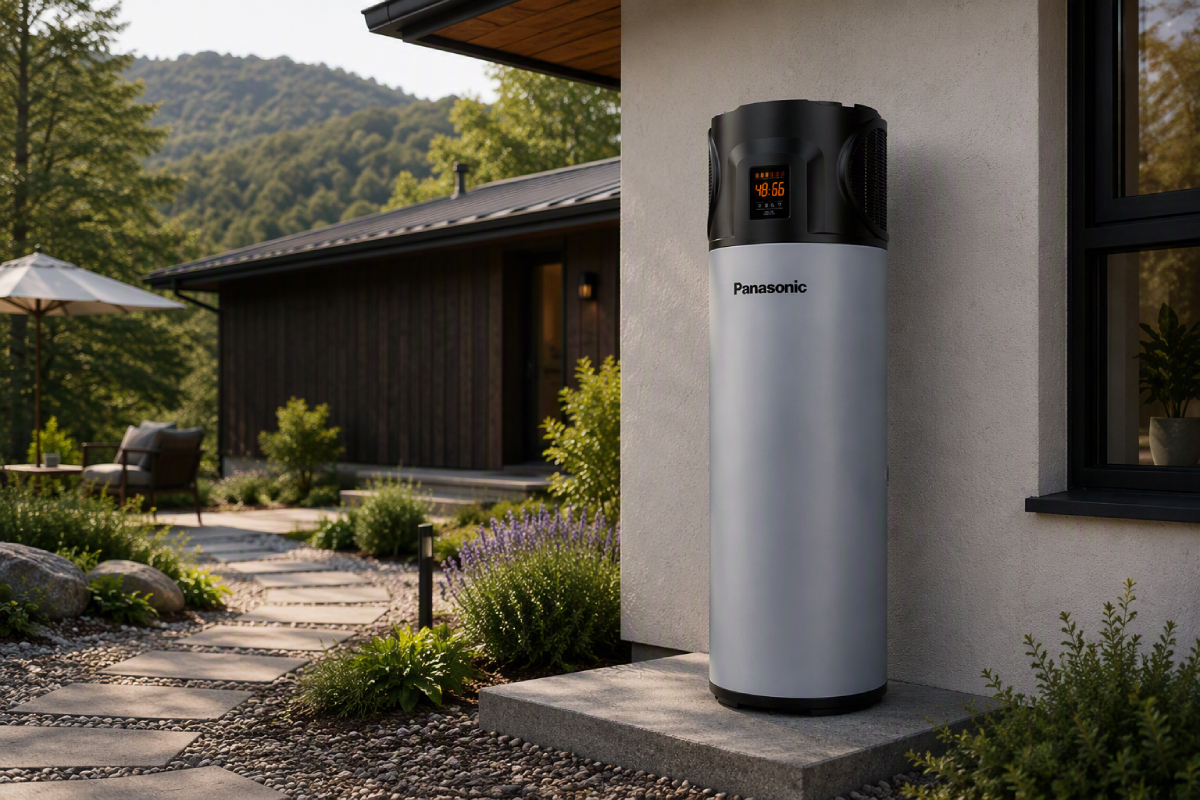
Introducing Panasonic Hot Water Heat Pumps: HRV’s Newest High-Efficiency Upgrade
Panasonic has joined Haier in HRV’s hot water heat pump range. The HRV-installed Panasonic system is an all-in-one, 300-litre unit using R290 natural refrigerant (GWP of 3) with a Coefficient of Performance above 5.1, meaning it produces more than five units of heat for every unit of electricity it uses. It’s rated to run in ambient temperatures from -10°C to 43°C, operates at 48dB, and comes with a 5-year residential warranty. Book a free HRV home assessment to find out if it suits your home.
The hidden culprit in your power bill
With power prices climbing every winter, most Kiwi households are already hunting for ways to trim the bill: switching off standby appliances, layering up instead of cranking the heating, watching the dryer like a hawk. But there’s one appliance working quietly in the background, day and night, that rarely gets a second look: your hot water cylinder.
According to the Energy Efficiency and Conservation Authority (EECA), hot water heating accounts for around 30% of the average New Zealand home’s power bill. That’s a bigger slice than most people realise, and if your home still relies on an old-fashioned electric resistance cylinder, there’s a genuinely smarter way to heat the same water for a fraction of the running cost.
That’s where hot water heat pumps come in, and it’s why we’re excited to introduce the newest addition to the HRV range: Panasonic hot water heat pumps.
How a hot water heat pump actually works
A standard electric cylinder heats water the simple way: electricity runs through an element, and the element heats the water directly. It works, but it isn’t efficient; nearly every unit of electricity you pay for ends up as heat in the tank, and not much more.
A hot water heat pump does something cleverer. Rather than generating heat directly, it uses a refrigerant and a compression cycle to capture existing heat from the surrounding air and transfer it into your water tank, similar in principle to how a fridge works, just in reverse. Because most of the energy comes from the air rather than your power bill, a heat pump can deliver the same hot water using a fraction of the electricity. Gen Less, the government’s energy-saving programme, rates hot water heat pumps among the most efficient water heating options available to NZ homeowners.
Why Panasonic? What makes their hot water technology different?
Panasonic isn’t new to Kiwi homes; chances are you already know their name from TVs, appliances or heat pump heating systems, but this is HRV’s first time offering their hot water heat pump technology. With more than 50 years of manufacturing experience in heating and cooling, Panasonic brings a genuinely premium option to our hot water range.
A high-performance system, engineered for efficiency. Panasonic’s system is rated with a Coefficient of Performance (COP) greater than 5.1. In plain terms, for every 1kW of electricity it uses, it produces more than 5kW of heating output.
A natural refrigerant with a low environmental footprint. The system uses R290, a natural refrigerant with a Global Warming Potential (GWP) of just 3, dramatically lower than the synthetic refrigerants (often in the thousands) still used in many older heating and cooling systems.
Built for New Zealand conditions. It’s rated to operate in ambient temperatures from -10°C to 43°C, which comfortably covers the vast majority of New Zealand’s climate zones.
Quiet by design. At just 48dB, it’s designed to run unobtrusively, a genuine consideration if your outdoor unit sits near a bedroom window or a neighbour’s fence line.
Backed locally. Every Panasonic hot water heat pump HRV installs comes with a 5-year residential warranty.
A growing range: Panasonic joins Haier at HRV
We’ve long offered Haier hot water heat pumps, and they remain a genuinely solid, versatile option, available in multiple tank sizes with SmartHQ app control, so if you’re after flexibility across different household setups, Haier is still a great fit.
Panasonic’s system takes a different approach: one high-spec, all-in-one 300-litre unit, purpose-built for larger households or homes with higher hot water demand, and engineered specifically around maximum efficiency and minimal environmental impact. Rather than one brand replacing the other, HRV now has two strong, genuinely different options, so we can match the right system to your home.
The trade-offs worth knowing
No system suits every home, and it’s worth going in with eyes open:
- One tank size. Panasonic’s system comes in a single 300-litre capacity, which suits larger households well but offers less flexibility than Haier’s three Monoblock sizes if you need something smaller.
- A genuine footprint. The all-in-one unit stands roughly 2.1m tall with a 640mm x 640mm base, plus clearance for airflow and servicing, so it needs a dedicated spot outside.
- It’s a new addition to HRV’s range. As a recently launched product for HRV, it’s worth confirming current stock and installation timelines with your local HRV team rather than assuming immediate availability.
- Like any heat pump system, performance depends on correct sizing. Your HRV assessor will confirm the system matches your household’s actual hot water demand, rather than assuming bigger is always better.
Is a Panasonic hot water heat pump right for your home?
Before you get in touch, it’s worth running through a quick checklist:
- Household size: with a 300-litre tank, Panasonic’s system is best suited to larger families or homes with consistently high hot water demand.
- Outdoor space: the all-in-one unit needs a dedicated outdoor footprint, plus airflow and servicing clearance.
- Your existing setup: replacing an ageing electric resistance cylinder, or moving away from a gas continuous system? Either way, a hot water heat pump is worth a serious look, though your HRV assessor will confirm it suits your home’s plumbing and switchboard.
- Priorities: if ultra-low environmental impact and top-tier efficiency matter most, Panasonic is the standout. If you want more flexibility on tank size and smart app control, Haier is still an excellent choice.
If you’re weighing up the numbers for your own home, Consumer NZ’s insider’s guide to hot water heat pumps is a genuinely useful, independent read from someone who went through the process themselves.
Book your free home assessment
Every home is different, which is why we don’t recommend a hot water heat pump over the phone. One of our local experts will visit, assess your home’s hot water demand, existing plumbing and available space, and help you decide whether Haier or Panasonic, or neither, if a heat pump genuinely isn’t the right fit, makes sense for you.
Or explore the new Panasonic hot water heat pump range.
Or call 0800 478 123.
Frequently asked questions
Is Panasonic new to HRV’s hot water range?
Yes. HRV has long installed Haier hot water heat pumps, and Panasonic is a new addition, giving customers a second, genuinely different option.
What does GWP mean, and why does it matter?
GWP (Global Warming Potential) measures how much a refrigerant contributes to warming compared with CO2 over time. Panasonic’s R290 refrigerant has a GWP of just 3, far lower than many older synthetic refrigerants.
How is the Panasonic system different from Haier’s?
Panasonic’s system is a single, high-spec 300-litre all-in-one unit focused on maximum efficiency. Haier offers more flexibility, with three Monoblock tank sizes, a Split System option and SmartHQ app control.
Does it work in a cold New Zealand winter?
Yes, it’s rated to operate in ambient temperatures from -10°C to 43°C, which covers the great majority of New Zealand’s climate zones.
Is it noisy?
No. It’s rated at 48dB, designed to run unobtrusively outdoors.
What warranty does it come with?
A 5-year residential warranty, per Panasonic’s published terms for this model.


Online recommendation builder
Find HRV products to suit your home in around 2 minutes.
Get a recommendation