
 Reverse Osmosis Water Filter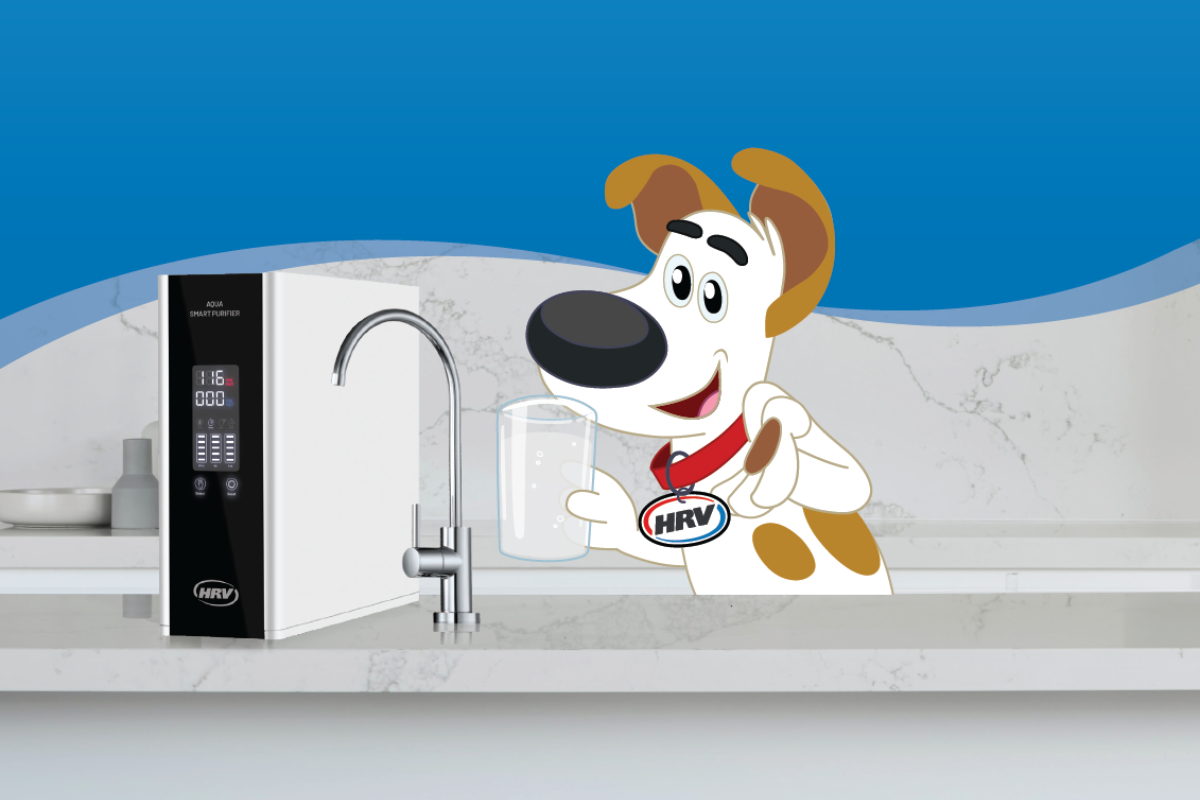
You probably know the difference between tap and bottled water just by the faint smell of chlorine. According to water experts, municipal treatment makes our supply safe, but chemical tastes and microscopic impurities often remain.
Standard pitchers rely on basic mechanical filtration, acting like a window screen that blocks “big bugs” when improving home water taste and clarity. True molecular purification, however, requires a reverse osmosis water filter to catch the microscopic “dust” slipping through.
Industry data reveals that having pure reverse osmosis water on tap eliminates the need for expensive plastic bottles entirely. Investing in an NZ RO water setup isn’t just a simple upgrade; it puts a complete, eco-friendly purification factory right under your kitchen sink.
The “Security Checkpoint” for Your Water: How Semi-Permeable Membranes Block Microscopic Impurities
Turning tap water into bottled-water quality requires more than a standard pitcher filter. A high-quality reverse osmosis system for home use relies on a multi-stage purification process, acting like a strict security checkpoint under your sink. Instead of just catching visible dirt, it systematically traps invisible impurities before they ever reach your glass.
Think of this osmosis water filter system as having four distinct security zones:
- Sediment pre-filter: Catches heavy dirt and rust that could clog the system.
- Carbon block: Absorbs chlorine to instantly remove that swimming pool smell.
- RO Membrane: The microscopic barrier that blocks dissolved solids.
- Post-carbon polish: Provides a final taste-check for the purified water.
The real magic happens at the third stage using semi-permeable membrane technology. Imagine a sieve woven so tightly that only pure water molecules can squeeze through. Because this barrier is incredibly dense, gravity alone isn’t enough. Your home’s natural plumbing pressure acts as the engine, forcefully pushing water through the membrane while washing leftover contaminants down the drain. The clean water is then held in a dedicated RO water storage tank, ready the second you turn the faucet.
Ultimately, this advanced setup completely transforms your daily hydration routine. It sets the perfect foundation for going beyond better taste: stripping lead, fluoride, and TDS from your family’s drinks.
Beyond Better Taste: Stripping Lead, Fluoride, and TDS from Your Family’s Drinks
While a refreshing taste is the most obvious benefit of a good filter, the real value lies in what you can’t taste. Standard pitchers often struggle with tricky chemicals, but an RO water purifier excels at the heavy lifting. It remains one of the few reliable home methods for removing fluoride and lead from drinking water, keeping your family safe from invisible threats.
Have you ever noticed a stubborn, chalky crust building up inside your tea kettle? That scale is caused by Total Dissolved Solids (TDS) microscopic minerals, metals, and salts hiding in otherwise clear water. Through reverse osmosis water filtration, these invisible hitchhikers are aggressively blocked. Achieving significant total dissolved solids reduction means your appliances last longer, your coffee tastes better, and your ice cubes freeze crystal clear.
Stripping tap water to its absolute purest form is highly effective, yet creating this perfectly blank canvas requires a slight compromise. Because the system works so hard to reject stubborn contaminants, it introduces two specific challenges: dealing with leftover rinse water and deciding how to handle the healthy minerals that were swept away in the process.
Navigating the Trade-offs: Managing Wastewater Ratios and Restoring Essential Minerals
Pushing water through a microscopic membrane requires a continuous self-cleaning process. To keep rejected contaminants from clogging the filter, the system uses some incoming water to wash them down the drain. Fortunately, modern advances in water waste‑ratio mitigation have reduced losses from approximately 15 litres of wastewater per litre of purified water to an efficient one‑to‑one (1:1) litre‑for‑litre ratio.
Because this intense barrier strips away everything, you might wonder if demineralized water is safe to drink. Absolutely. However, when comparing RO vs distilled water, both produce completely blank canvases that can taste somewhat flat or slightly acidic because natural alkaline minerals are missing.
Manufacturers solve this flavour issue by adding a final polishing filter. Enjoying the remineralization stage benefits means healthy calcium and magnesium are introduced back into your glass, balancing the pH and restoring a crisp, spring-like taste. With your ideal water profile dialed in, keeping that pristine quality flowing requires a straightforward replacement schedule.
No-Stress Maintenance: What to Replace and When to Keep Your Water Crystal Clear
Keeping your system running smoothly requires a predictable routine, not a plumbing degree. The heavy lifting happens upfront where the carbon block vs sediment pre-filter acts as a security checkpoint, catching dirt and chlorine before they can damage the delicate membrane. After purification, a post-filter polishes the water’s taste right before it hits your glass. Fortunately, budgeting for the annual maintenance costs for purification units is highly affordable, whether you shop globally or need a NZ based reverse osmosis filter replacement.
To guarantee your water stays consistently fresh, follow this straightforward annual maintenance checklist:
- Replace sediment/carbon pre-filters (6-12 months)
- Check tank air pressure
- Sanitize the system
- Replace post-carbon filter
If you ever experience a slow faucet, troubleshooting low water pressure in tanks takes only two minutes. The reverse osmosis tank uses an internal air bladder to push pure water up to your tap, and you can easily restore a weak flow using a standard bicycle pump. Routine maintenance guarantees your system remains a reliable source of pure water for years to come.
From Research to Refreshment: Your Final Checklist for a Home Reverse Osmosis System
You no longer have to guess what is hiding in your daily glass of tap water. Understanding how these filters block stubborn impurities like lead and fluoride gives you the power to bring pure, bottled-water quality straight into your home.
Your next step is simply choosing the right setup. Whether you need a kitchen-focused reverse osmosis system or a whole house reverse osmosis water system, always protect your investment by choosing NSF-certified water systems. Even when shopping locally for a reverse osmosis water filter Auckland, this certification remains your ultimate safety guarantee.
Taking control of your family’s water quality provides long-term peace of mind and everyday refreshment. Evaluating your sink space and household water needs ensures you select a system that fits your lifestyle seamlessly.


Online recommendation builder
Find HRV products to suit your home in around 2 minutes.
Get a recommendation