
 The Hidden Dangers of Cold, Damp and Mouldy NZ Homes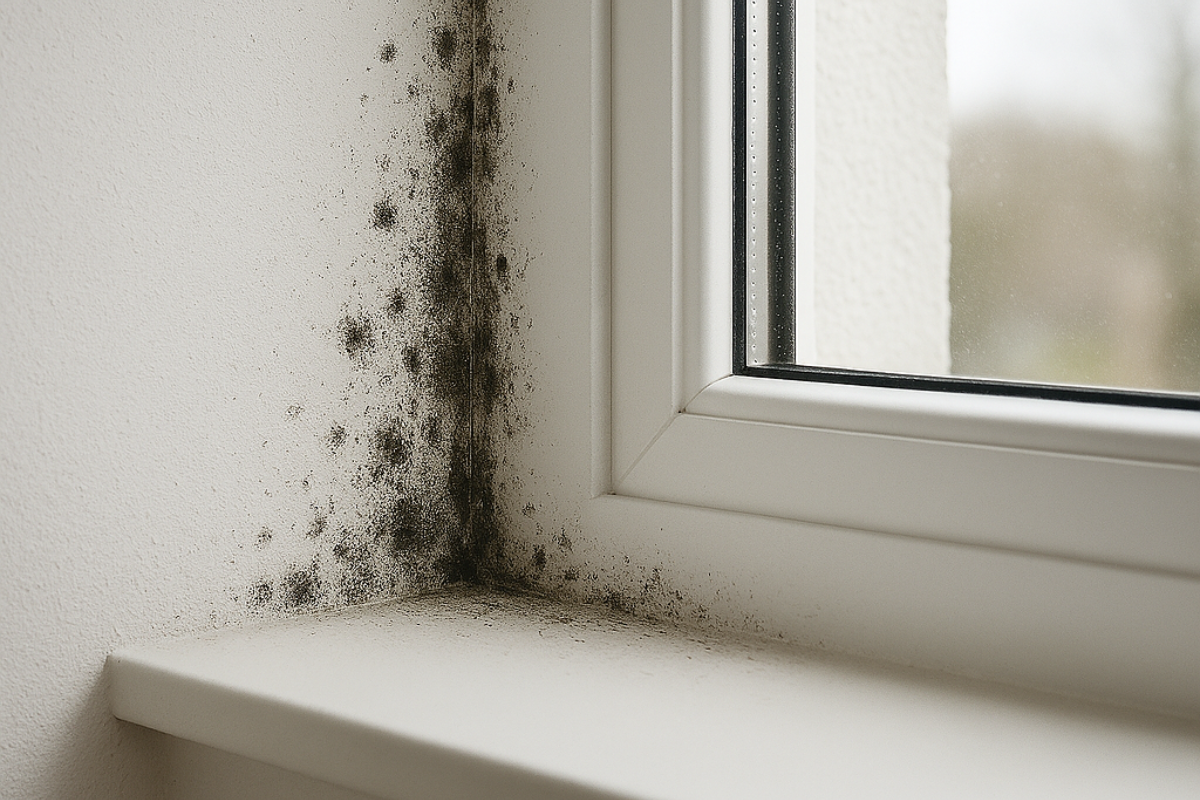
When the temperatures drop, our homes should be our warm, safe sanctuaries. However, for many, the reality of winter brings shivering mornings, weeping windows, and a lingering musty smell. Many people underestimate the hidden dangers of cold, damp, and mouldy homes plus practical ways to improve insulation, heating, humidity control, and how HRV ventilation can reduce mould buildup.
Living in cold damp mouldy homes is more than just a structural nuisance; it is a serious health hazard. Fortunately, with the right knowledge and upgrades, you can transform a chilly, wet house into a comfortable, dry, and energy-efficient home.
The Hidden Health Risks of a Damp Environment
The health effects of living in a damp house can sneak up on you. When moisture gets trapped indoors, it creates the perfect breeding ground for toxic spores. The respiratory risks of black mould exposure are particularly alarming, as prolonged inhalation can trigger asthma attacks, chronic bronchitis, and severe allergic reactions.
Children, with their developing immune systems, are especially vulnerable. Parents should remain vigilant for symptoms of mould toxicity in children, which can include chronic coughing, relentless runny noses, itchy eyes, skin rashes, and lethargy. If your family feels inexplicably sick throughout the winter, your indoor air quality might be the culprit.
Understanding the Root Cause: Moisture and Cold
You might find yourself constantly asking, “Why is my house so damp in winter?” The answer lies in basic physics. Everyday activities like cooking, showering, and even breathing release litres of water vapor into the air. Warm air holds more moisture than cold air. When this humid, warm air collides with freezing exterior walls or single-glazed windows, the water vapor turns into liquid condensation.
This issue is heavily exacerbated by thermal bridging and its impact on mould growth. Thermal bridging occurs when a poorly insulated structural element, like a timber or steel frame, transfers heat out of the house faster than the surrounding walls. These cold spots become magnets for condensation. Over time, this moisture penetrates drywall, making identifying hidden mould behind walls a difficult but crucial task for homeowners looking to protect their health.
Practical Strategies for a Warmer, Drier Home
Creating a healthy home environment requires a multi-faceted approach. By combining insulation, heating, and active moisture management, you can banish the damp for good.
1. Upgrade Insulation and Heating
A well-insulated building envelope keeps the heat inside and the cold surfaces at bay.
- Start at the top: Heat rises, making the roof your biggest vulnerability. Improving attic insulation to prevent moisture buildup is one of the most effective first steps you can take. It stops warm, moist indoor air from colliding with freezing roof tiles.
- Invest for the future: While the upfront cost of retrofitting home insulation can feel daunting, it dramatically lowers your monthly energy bills and adds value to your property.
- Heat efficiently: Consistently warming your house prevents cold spots from forming. Look into energy-efficient ways to heat a cold home, such as installing heat pumps, upgrading to smart infrared panels, or using programmable thermostat radiators that maintain a steady baseline temperature without wasting electricity.
2. Master Humidity and Moisture Control
To keep mould at bay, you need to starve it of its primary life source: water. Maintaining the optimal indoor humidity levels for health generally between 40% and 60% is critical. Here are highly effective moisture control methods and mould prevention tips:
- Source control: Always use extractor fans when cooking or bathing. Put lids on boiling pots and never dry laundry on indoor radiators.
- Daily airing: You don’t need expensive technology to get started. Simple, natural ways to improve home air circulation include opening opposing windows for just 10 to 15 minutes a day to create a cross-breeze, flushing out stale, humid air.
- Window upgrades: If you are wondering how to reduce condensation on windows permanently, you will eventually need to look beyond wiping them down every morning. Upgrading to double or triple glazing stops the interior glass from becoming cold enough to attract moisture in the first place.
The Ultimate Solution: Advanced Ventilation Systems
While opening windows is helpful, it’s not always practical during freezing weather. This is where modern ventilation technology steps in. The benefits of whole-house ventilation systems are transformative, providing a constant supply of fresh, filtered air while continuously expelling humid, stale air.
HRV vs. Other Moisture Solutions
When dealing with extreme dampness, homeowners often research heat recovery ventilation vs dehumidifiers for mould. A dehumidifier is a great temporary fix for a single room, but it consumes a lot of electricity and merely treats the symptom (excess water) rather than the cause (poor air exchange). A Heat Recovery Ventilation (HRV) system, on the other hand, is a whole-house solution. It extracts warm, damp air from your bathrooms and kitchen, passes it through a heat exchanger to capture the thermal energy, and uses that saved heat to warm up the incoming fresh, dry air from outside.
Another common debate is positive pressure ventilation vs HRV. A positive pressure system (like a PIV) works by pushing dry, filtered air from the loft space down into the house, forcing the damp air out through the building’s natural gaps. While PIV is generally cheaper and easier to install in older, leaky homes, it doesn’t recover lost heat. An HRV system is considered the gold standard for modern, airtight homes because it actively manages humidity while retaining up to 90% of your home’s heat, making it incredibly energy efficient.
Take Action for a Healthier Home
No one should have to accept a cold, wet living environment as normal. The structural damage caused by rot and the severe physical toll on your family’s respiratory health are simply too high a price to pay.
By understanding the root causes of condensation and implementing a combination of robust insulation, consistent and efficient heating, and smart daily habits, you can take back control of your indoor climate. For the ultimate peace of mind, investing in a whole-house HRV system will ensure your home remains fresh, dry, and wonderfully warm all winter long. Don’t wait until you can see the black spots on your ceiling take proactive steps today to protect your home and your health.
Ventilation is more affordable then ever with payments options available from GEM Visa & Q Card


Online recommendation builder
Find HRV products to suit your home in around 2 minutes.
Get a recommendation