
 The Ideal Indoor Humidity Level And Why It Matters for Your Health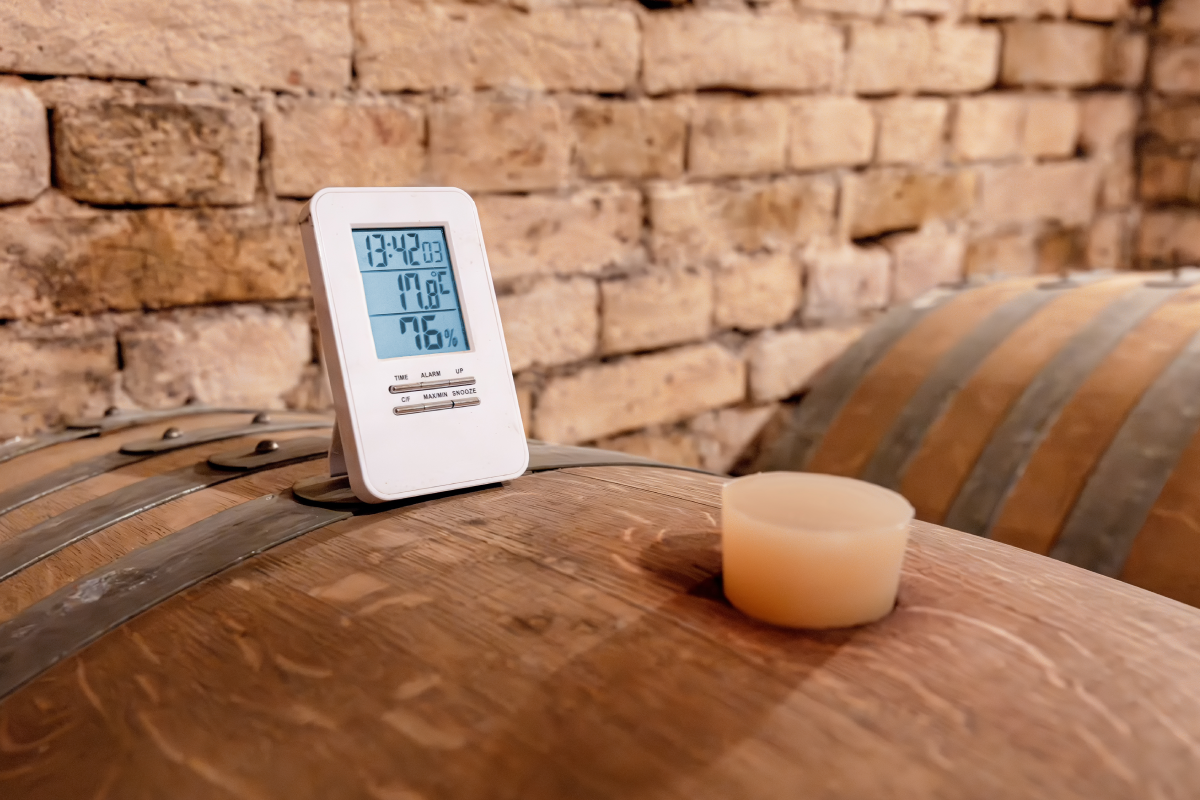
Creating a healthier home is about more than how a space looks—it’s also about the air you breathe. One of the most important (and often ignored) drivers of indoor air quality is humidity. When moisture levels drift too high or too low, they can affect comfort, health, and even the condition of your home. By understanding what humidity is, what range is considered ideal, and how to manage it, you can make practical changes that meaningfully improve daily life.
What humidity is—and why it matters indoors
Humidity refers to the amount of water vapor in the air. Indoors, it influences how the air feels, how effectively your body cools itself, and how easily certain pollutants and allergens take hold.
Humidity is typically discussed as relative humidity (RH)—a percentage that compares how much moisture the air contains to the maximum it can hold at the current temperature. Because warm air can hold more water vapor than cool air, relative humidity can change even when the actual amount of moisture in the air stays the same.
For most homes, the ideal indoor humidity level is about 30%–50% RH. This range supports comfort while discouraging common problems such as mold growth, dust mite activity, and excessive dryness that can irritate skin and airways.
How humidity affects comfort and indoor air quality
Humidity doesn’t just change how “dry” or “sticky” a room feels—it also shapes indoor air quality in several ways:
- High humidity can encourage mold and mildew, worsen musty odors, and increase allergen exposure. It can also make a room feel warmer because sweat evaporates more slowly.
- Low humidity can dry out the eyes, skin, and throat, and can make indoor spaces feel cooler than they are.
Humidity can also influence how indoor pollutants behave. In damp conditions, biological contaminants (like mold) thrive. Moisture may also affect how quickly certain chemicals from building materials and furnishings are released into the air. In very dry air, static electricity increases, which can attract and redistribute dust and other particles.
Structural impacts: humidity can damage your home
Moisture levels affect more than your body—they affect your building materials.
- Too much humidity can cause condensation inside walls or around windows, creating conditions for mold and material deterioration.
- Too little humidity can dry out wood, leading to shrinking, cracking, and gaps in flooring or furniture. Very dry environments can also increase static-related issues for electronics.
Keeping humidity in the recommended range helps protect both indoor health and long-term home maintenance costs.
Health effects of humidity that’s too high
When indoor humidity rises above roughly 50% RH, the environment becomes more favorable for mold, dust mites, and bacteria. For many people, that means more frequent or more severe symptoms such as:
- Sneezing, coughing, and congestion
- Irritated eyes and throat
- Asthma flare-ups or breathing discomfort
Mold exposure can be especially problematic for sensitive individuals. Over time, living in persistently humid conditions can also reduce sleep quality and comfort, since the body has a harder time cooling itself.
Health effects of humidity that’s too low
When humidity drops too far—often during winter heating—common issues include:
- Dry skin, chapped lips, and irritation of the eyes
- Nosebleeds or nasal dryness
- Throat irritation and respiratory discomfort
Dry air can also weaken the effectiveness of mucous membranes in the nose and throat, which are part of the body’s natural defense system. That can increase vulnerability to infections and aggravate conditions like eczema.
Monitoring: use a hygrometer
Because humidity can vary by room and season, monitoring is the fastest way to understand what’s happening in your home. A hygrometer provides real-time humidity readings (often with temperature as well).
When choosing one, prioritize:
- Accuracy and readability
- Reliable sensors
- Optional alerts or smart-home compatibility if you want automated control
For specialty spaces (like wine storage, instrument rooms, or greenhouses), dedicated monitors can help maintain tighter target ranges.
Controlling humidity: humidifiers, dehumidifiers, and smart systems
Once you know your levels, the right solution is usually straightforward:
- Dehumidifiers are best for damp areas like basements, laundry rooms, or humid climates. Look for a unit sized for the space, with adjustable targets to avoid over-drying.
- Humidifiers help during dry seasons and in heated homes. Ultrasonic models are typically quiet; evaporative models can work well for larger areas.
If you want a hands-off approach, smart sensors and HVAC integrations can adjust moisture levels automatically based on readings, helping maintain comfort while improving energy efficiency.
Practical habits that help keep humidity in range
Small changes can make a measurable difference:
- Use bathroom and kitchen exhaust fans consistently.
- Improve airflow with vent placement, ceiling fans, and spot ventilation in moisture-prone areas.
- Maintain your HVAC system (filters, inspections, leak checks) so it can manage airflow and moisture effectively.
- Reduce unnecessary indoor moisture: use lids when cooking, shorten very hot showers, and vent dryers properly.
- Consider indoor plants thoughtfully—some can add moisture through transpiration, though they won’t replace mechanical control in problem areas.
Bottom line
Maintaining indoor humidity around 30%–50% is one of the most practical ways to improve comfort, protect your home, and support respiratory and skin health. With simple monitoring and targeted tools—plus a few daily habits—you can create an indoor environment that looks good, feels good, and stays healthier over time.


Online recommendation builder
Find HRV products to suit your home in around 2 minutes.
Get a recommendation