
 The Ideal Temperature for Babies: 18-21°C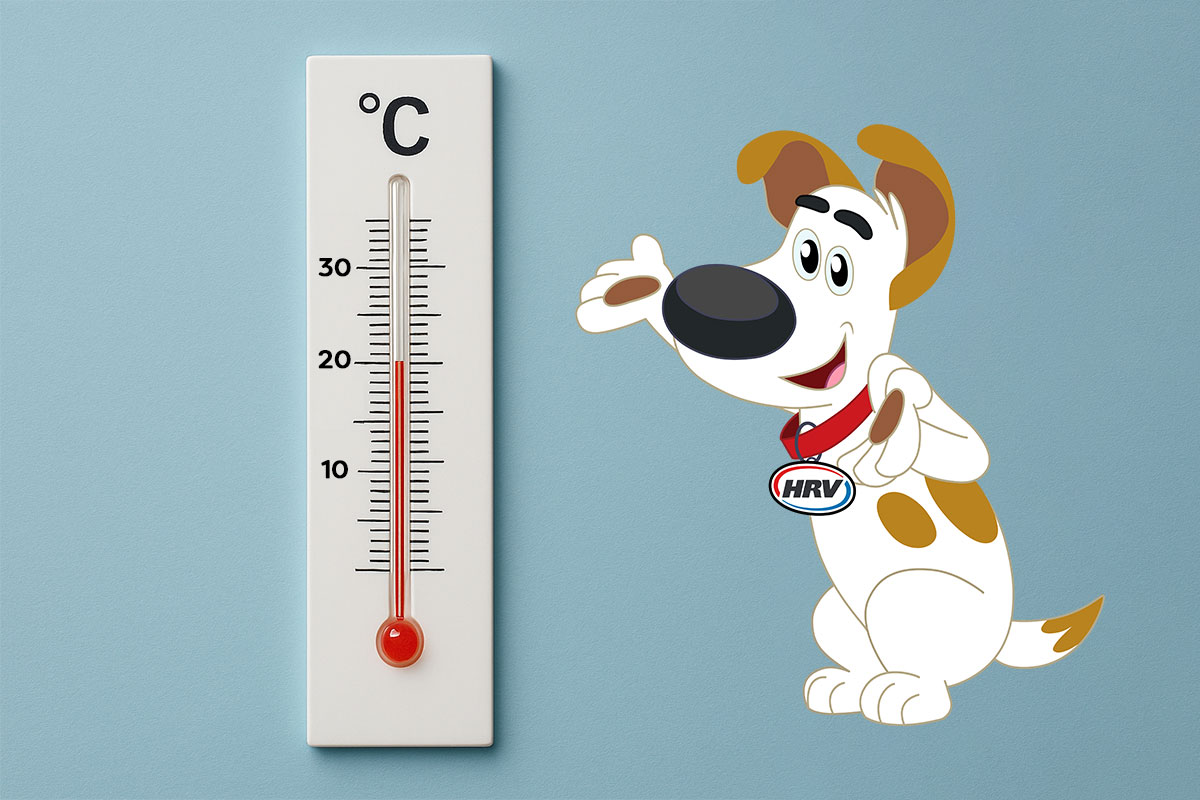
It is a nearly universal instinct to bundle a tiny newborn in thick blankets to ward off the chill. However, when managing infant sleep temperature, resisting that urge and embracing a cooler room is actually much safer. A nursery kept between 18-21°C often feels slightly brisk to a parent wearing a short-sleeved shirt, yet it provides the perfect baseline for a resting child.
According to leading pediatric guidelines, achieving this precise “Goldilocks Zone”—neither dangerously warm nor uncomfortably cold—is a cornerstone of nursery safety. Because tiny bodies manage heat far less efficiently than fully grown adults, using your own physical comfort as a gauge is rarely an accurate measure for what your baby needs.
Maintaining this crisper climate directly reduces the physiological risk of overheating, a well-known hazard linked to Sudden Infant Death Syndrome (SIDS). By simply pairing a cool room with an appropriate wearable sleep sack, caregivers easily build a safe sleep environment that promotes deep, secure rest all night long.
The Science of Why Babies Can’t ‘Sweat It Out’ Like Adults
An infant’s body manages heat very differently than an adult’s. While you might easily shed a thick blanket on a warm night, babies have immature sweat glands and a larger skin surface area relative to their body weight. Because they cannot efficiently shed excess warmth to cool themselves down, they heat up much faster than we do.
This rapid warming makes overheating a serious concern for caregivers. If a baby’s internal “engine” gets too hot, their brain may struggle to wake them up from a deep sleep, which can disrupt healthy breathing patterns. Health authorities identify this severe overheating as a significant risk factor for SIDS—the unexplained death of a seemingly healthy baby during sleep.
Keeping the room slightly brisk removes this hidden danger entirely. By following established sleep safety recommendations and maintaining that 18-21°C range, you actively prevent overheating through temperature control. Knowing the biological ‘why’ behind a cooler room is the foundation; your next step is discovering how to set up your nursery for temperature precision.
How to Set Up Your Nursery for Temperature Precision
Getting the optimal thermostat settings for nursery sleep right requires more than just relying on your home’s central system. Because a hallway thermostat cannot measure the baby’s specific environment, you need a dedicated digital model. These devices track the heat index in nurseries, which measures how hot the room actually feels when moisture is factored in. Maintaining consistent nursery humidity levels around 40-60% is vital, as high humidity traps heat against your baby’s skin and makes a perfectly safe 20°C suddenly feel stifling.
To secure the true benefits of thermometer accuracy, your placement strategy is crucial. Caregivers often unknowingly place devices in three common “dead zones” that give falsely skewed readings. Keep your temperature tracking accurate with this simple placement checklist:
Away from windows: Direct sunlight or glass drafts will artificially alter the room’s baseline reading.
Away from radiators: Heating units or AC vents create misleading, localized pockets of extreme air.
At crib level: Because heat naturally rises, measuring temperature near the ceiling won’t reflect what your baby actually feels.
Once you have a reliable reading right where your little one sleeps, the midnight guesswork disappears. From here, your next step is matching their clothing to that specific environment.
Mastering the TOG System: Dressing Your Baby for 18°C vs. 21°C
Staring into your little one’s closet before bedtime can feel overwhelming, but a simple guideline helps: the “Plus One” rule. Babies generally need exactly one more layer than an adult would comfortably wear in the exact same room. To help parents choose the right thickness, infant sleepwear uses a TOG (Thermal Overall Grade). Think of it as a warmth scale—the higher the number, the heavier and warmer the garment.
Knowing how to use a TOG rating chart removes the guesswork from matching outfits to the thermostat. Here is a quick breakdown for the two ends of the ideal sleep range:
For an 18°C Room: This cooler environment requires a bit more insulation. Aim for a 2.5 TOG sleep sack paired underneath with a long-sleeve cotton bodysuit or footie pajamas.
For a 21°C Room: Since this sits at the warmer end of the safety spectrum, keep it light. A 1.0 TOG sleep sack zipped over a basic short-sleeve bodysuit is perfect.
Material matters just as much as thickness when protecting your baby from overheating. When debating cotton versus fleece sleep sacks, breathable natural fabrics like 100% cotton are always safest because they naturally allow excess body heat to escape. Synthetic fleece, unfortunately, traps warmth directly against the skin. Even with perfect fabrics, every baby’s internal temperature runs slightly differently. To confirm your layering is actually working, you must look beyond the thermometer: the ‘tummy and chest’ rule for comfort is your ultimate physical check.
Beyond the Thermometer: The ‘Tummy and Chest’ Rule for Comfort
Panicking over chilly fingers is a universal parenting experience, but it rarely means your little one needs another blanket. Because an infant’s circulatory system is still developing, their tiny body prioritizes keeping warm blood near vital organs rather than pumping it to the ends of the body. Cold hands are perfectly normal for sleeping babies.
Instead of checking their extremities, focus on the trunk to get an accurate read on their comfort. The most reliable method for monitoring infant core body temperature at home is simply sliding two fingers down the back of their neck or flat against their bare chest. This skin should feel pleasantly warm and entirely dry, similar to your own normal body heat.
A damp chest discovered during this quick touch-test is your clearest signal to immediately remove a layer. Spotting an overheated baby comes down to identifying dangerously clammy skin, unusually flushed cheeks, or rapid breathing. Managing this delicate balance gets incredibly tricky during summer heat spikes, making it vital to know safe sleeping solutions for when your air conditioning fails.
Keeping Cool During Heatwaves: Safe Solutions When the AC Fails
Summer heatwaves can quickly turn a comfortable nursery into a stressful environment. When the room climbs well above 21°C, creating a safe sleep space means ditching carefully calculated layers for just a simple diaper. You can also practice “passive nursery cooling” by keeping blinds completely shut against the hot daytime sun, preventing solar heat from ever entering the space.
When minimal clothing isn’t enough, evaporative cooling becomes your best tool to safely manage the baby room temperature. Try these accessible, low-tech methods to actively chill the room:
Close curtains tightly all day for maximum shade.
Point a fan at a bowl of ice, ensuring the breeze doesn’t directly hit the crib.
Offer a tepid evening bath, letting the evaporating water naturally lower their body heat.
While these tricks help manage the climate, you must still stay incredibly vigilant by recognizing heat rash and overheating before they become emergencies.
Recognizing Heat Rash and Overheating Before They Become Emergencies
Knowing how to tell if a baby is overheating at night ensures peace of mind. One early visual cue is miliaria, commonly called heat rash. These tiny, red bumps often appear trapped in the damp skin folds of a baby’s neck, armpits, or diaper area. If you spot these signs of heat rash, or if their chest feels uncomfortably hot, immediately remove a clothing layer to let them safely release trapped heat.
Behavioral shifts offer another vital clue. You must distinguish between a peacefully sleeping infant and one experiencing lethargy. This dangerous heat symptom makes a baby appear unusually floppy, unresponsive, or completely lacking energy to wake for a feed. Catching these physical and behavioral signals helps you act swiftly, but true safety comes from daily prevention.
Your 3-Step Bedtime Temperature Checklist
By aiming for the 18-21°C range, you can confidently create a safe sleep environment without second-guessing every layer. To make this effortless, try the 3-Step Nightly Check:
Read the thermometer to ensure the room temperature is on target.
Check the TOG to match their sleep sack with the current season and room climate.
Feel the chest to confirm their skin is warm, but never sweaty.
Combining this objective data with your natural parental intuition takes the anxiety out of nighttime routines. Every time you practice this simple assessment, you build confidence in your ability to protect your little one, ensuring they sleep securely, safely, and comfortably.
Source 1 (Temperature): Rising power costs and health risk
“The optimal healthy temperature for a home is 18-21 degrees.”
Source 2 (Virus Survival): ARFNZ Research Document
“It may be that cold, damp indoor climates are conducive to increased viral survival… for respiratory viruses, survival and infectivity are dependent on temperature and relative humidity.”


Online recommendation builder
Find HRV products to suit your home in around 2 minutes.
Get a recommendation