
 The Ultimate Healthy Home Guide Temperature Humidity amp Indoor Air Quality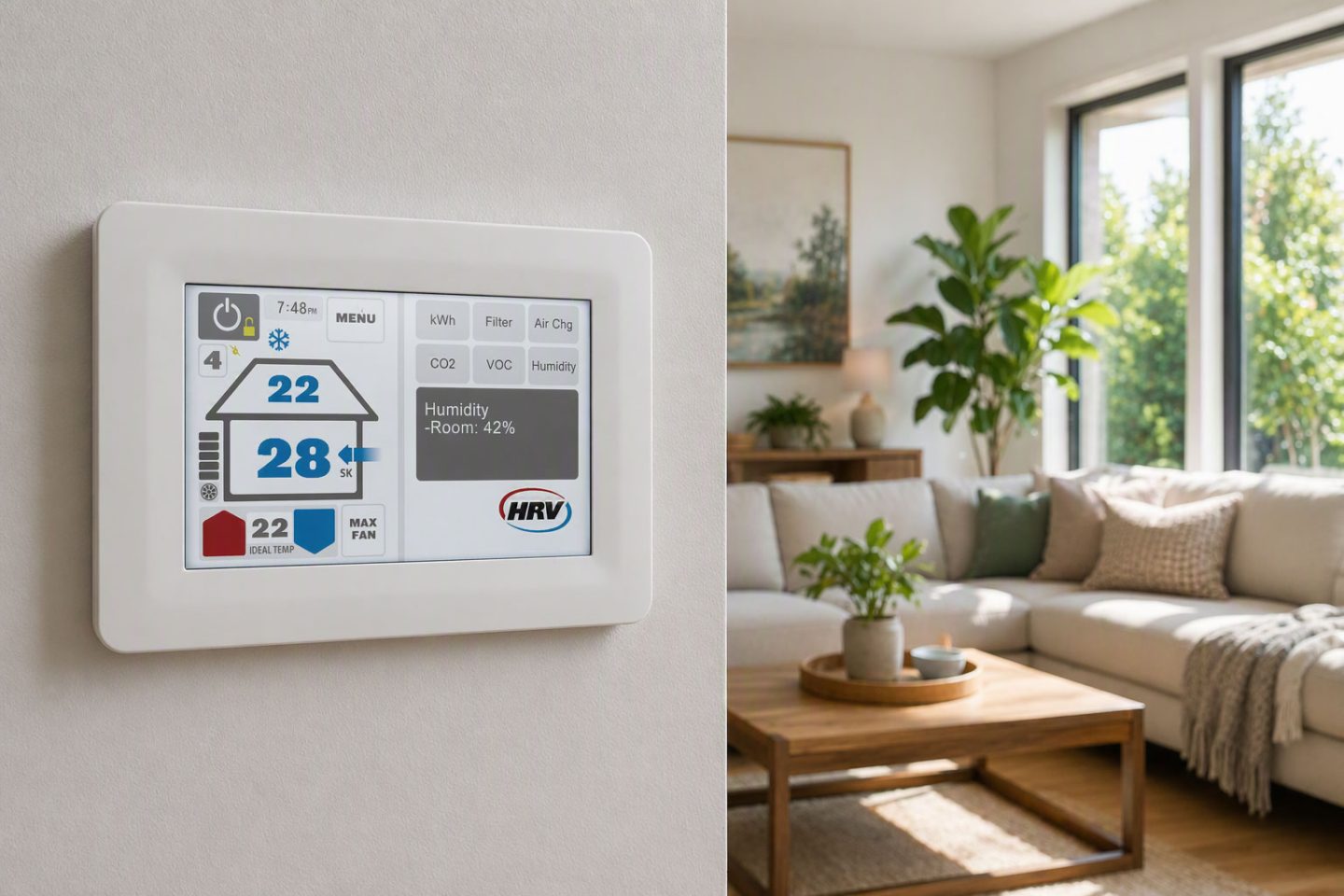
We spend approximately 90% of our time indoors. Because modern homes are increasingly built to be airtight for energy efficiency, they can inadvertently trap stale air, moisture, and invisible pollutants inside. If you want to transform your house into a sanctuary of wellness, you need a comprehensive approach to managing your indoor environment.
Welcome to The Ultimate Healthy Home Guide: Temperature, Humidity & Indoor Air Quality. Whether you are trying to build a fully eco-friendly home from the ground up or you simply need a practical healthy living guide to upgrade your current space, mastering your indoor climate is the most important step you can take. By understanding the intricate balance of air temperature, moisture levels, and ventilation, you can drastically improve your physical health, cognitive function, and daily comfort.
The Invisible Threat: Understanding Indoor Air Quality (IAQ)
Indoor air can be two to five times more polluted than outdoor air. Because we cannot clearly see the microscopic particles floating in our living rooms, we often ignore them until they start affecting our health.
Recognizing the Warning Signs
If you regularly wake up feeling groggy or unwell, your home’s air might be to blame. Common symptoms of poor indoor air quality include chronic headaches, unexplained fatigue, scratchy throats, persistent coughs, and irritated eyes. In more severe cases, poor IAQ can trigger asthma attacks or cause brain fog and dizziness.
Assessing Your Environment
Before you can fix the problem, you need to understand exactly what you are dealing with. Knowing how to test home air quality is a foundational step. You can start by hiring an HVAC professional for a comprehensive indoor environmental audit, or you can take a more modern, ongoing approach.
Investing in smart home air quality monitors is highly recommended. These sleek devices sit quietly on your bookshelf and continuously track levels of Particulate Matter (PM2.5), Carbon Dioxide (CO2), and Volatile Organic Compounds (VOCs). By sending real-time alerts to your smartphone, these monitors allow you to react instantly—whether that means opening a window, turning on an exhaust fan, or adjusting your thermostat.
Mastering Temperature for Comfort and Wellness
Temperature dictates far more than just whether you need to wear a sweater indoors. It plays a profound role in your home’s overall health dynamics, influencing everything from moisture retention to your body’s circadian rhythm.
The Science of Sleep and Temperature
One of the most critical aspects of home temperature control relates to how you rest. Your body’s core temperature naturally drops in the evening to prepare for rest. Assisting this natural biological process is vital. Extensive sleep research indicates that the best temperature for sleep quality hovers between 60°F and 67°F (15°C to 19°C).
Keeping your bedroom in this cooler range helps you fall asleep faster and increases the amount of restorative deep sleep you get. To achieve this efficiently without racking up high energy bills, consider installing a smart thermostat with room sensors, allowing you to cool only the bedroom at night while letting the rest of the house stay slightly warmer.
The Balancing Act: Humidity Control
If temperature is the thermostat of your home’s comfort, humidity is the thermostat of your home’s respiratory safety. Finding the ideal indoor humidity for home health is a delicate balancing act that requires year-round attention.
Respiratory Health and Moisture
The impact of humidity on respiratory health cannot be overstated. When indoor air is too dry (typically below 30%), it dries out the mucous membranes in your nose and throat. These membranes are your body’s first line of defense against airborne viruses and bacteria; when they dry out, you become much more susceptible to colds and the flu. Conversely, when the air is too damp, it becomes a breeding ground for biological contaminants.
Seasonal Adjustments
Because outdoor climates fluctuate, your indoor targets must fluctuate as well. Understanding the optimal indoor humidity levels by season will protect both your health and your home’s structural integrity:
- Winter: Aim for 30% to 40%. Lower humidity during the cold months prevents condensation from forming on freezing windows, which can lead to rotting wood frames and localized mold.
- Summer: Aim for 40% to 50%. This keeps the air feeling cool and comfortable without inviting unwanted pests and biological growth.
The Threat of High Humidity
Failing to keep moisture in check has immediate consequences. For instance, the effects of high humidity on dust mites are well-documented. Dust mites do not drink water; they absorb it directly from the air. When indoor humidity rises above 60%, dust mite populations explode, triggering severe allergic reactions and asthma symptoms.
Furthermore, keeping humidity balanced is the most effective method for monitoring indoor allergens and mold growth. Mold spores require moisture to thrive. By keeping your home’s humidity below 50%, you actively starve mold of the water it needs to colonize your walls and air ducts.
Cooling and Dehumidification Technologies
When the sticky heat of summer arrives, homeowners often question the most efficient way to achieve comfort, specifically debating the merits of a dehumidifier vs air conditioner for cooling.
An air conditioner naturally removes some moisture as warm air passes over its cold evaporator coils. However, an AC unit is primarily designed to drop the temperature. If you live in a highly humid but moderate-temperature climate, your AC might reach your target temperature and shut off before it removes enough moisture from the air, leaving your home feeling cold and clammy. In these scenarios, a dedicated whole-home or portable dehumidifier is vastly superior. It pulls excess water from the air without over-chilling the room, creating a much more comfortable and healthy environment.
Breathing Easier: Air Purification and Ventilation
Trapping air inside an airtight home allows pollutants to build up over time. To combat this, you need a two-pronged approach: filtering the air that is already inside, and bringing fresh air in from the outside.
- Filters: High Performance Filters are physical meshes designed to trap and reduce pass through of solid airborne particles, including dust, pollen, pet dander, and mold spores. They are essential for allergy sufferers.
The Importance of Fresh Air Exchange
Air purifiers are fantastic, but they do not replenish oxygen or remove carbon dioxide. For that, you need proper ventilation.
There are several highly effective natural ways to improve home ventilation. The simplest method is creating a “cross-breeze” by opening windows on opposite sides of your home for 15 to 20 minutes a day. You can also utilize the “stack effect” in multi-story homes by opening a lower-level window on the cooler, shaded side of the house, and an upper-level window on the warmer side, allowing hot, stale air to naturally rise and escape.
However, natural ventilation isn’t always practical—especially during extreme winter freezes, heavy pollen seasons, or in areas with high outdoor pollution. This is where mechanical ventilation systems for residential homes shine. Systems like Heat Recovery Ventilators (HRVs) physically expel stale indoor air while pulling in fresh outdoor air. Ingeniously, they transfer the heat and moisture from the outgoing air to the incoming air, ensuring your home stays ventilated without wasting the energy you spent heating or cooling it.
Chemical-Free Living: Eliminating Indoor Toxins
You cannot achieve a truly healthy living space if you are constantly introducing new chemicals into the air. A massive component of indoor air pollution comes from the products we buy and use every day.
Defeating Volatile Organic Compounds
Learning how to reduce VOCs in living spaces is essential. VOCs are harmful gases emitted by everyday items, including fresh paint, new carpets, pressed-wood furniture, air fresheners, and burning candles. Long-term exposure to VOCs is linked to liver and kidney damage, as well as central nervous system issues.
- Air it out: Always unwrap new furniture or rugs in a garage or well-ventilated patio to let them “off-gas” before bringing them indoors.
- Choose wisely: Look for products labeled “Low-VOC” or “Zero-VOC” when purchasing paint, adhesives, and sealants.
- Ditch synthetic fragrances: Swap out chemical plug-in air fresheners for natural essential oil diffusers or simply rely on proper ventilation to keep your home smelling fresh.
Safe Cleaning Practices
Another major step is successfully managing indoor pollutants from household cleaners. The harsh bleach, ammonia, and artificial fragrances found in conventional surface cleaners linger in the air long after the counters dry. To maintain pristine air quality, pivot to natural alternatives. Simple solutions made of distilled white vinegar, baking soda, castile soap, and water are highly effective at killing bacteria and removing grime without leaving behind a toxic chemical residue.
Final Thoughts on Your Healthy Home Journey
Transforming your living space into a haven of health doesn’t have to be overwhelming. By treating your home as a living, breathing ecosystem, you can make incremental changes that yield massive health benefits.
Start by utilizing smart technology to monitor your baseline air quality. Take control of your thermostat to optimize your sleep, and diligently balance your seasonal moisture levels to keep biological allergens at bay. By combining robust air purification with strategic ventilation and chemical-free cleaning habits, you will do more than just upgrade your house—you will radically enhance your quality of life. Breathe deep, sleep well, and enjoy the peace of mind that comes with mastering your indoor environment.
Source: https://www.ehinz.ac.nz/indicators/indoor-environment/about-the-indoor-environment-and-health/


Online recommendation builder
Find HRV products to suit your home in around 2 minutes.
Get a recommendation