
 What is the difference between a Ducted Heat Pump and a Multi Split Heat Pump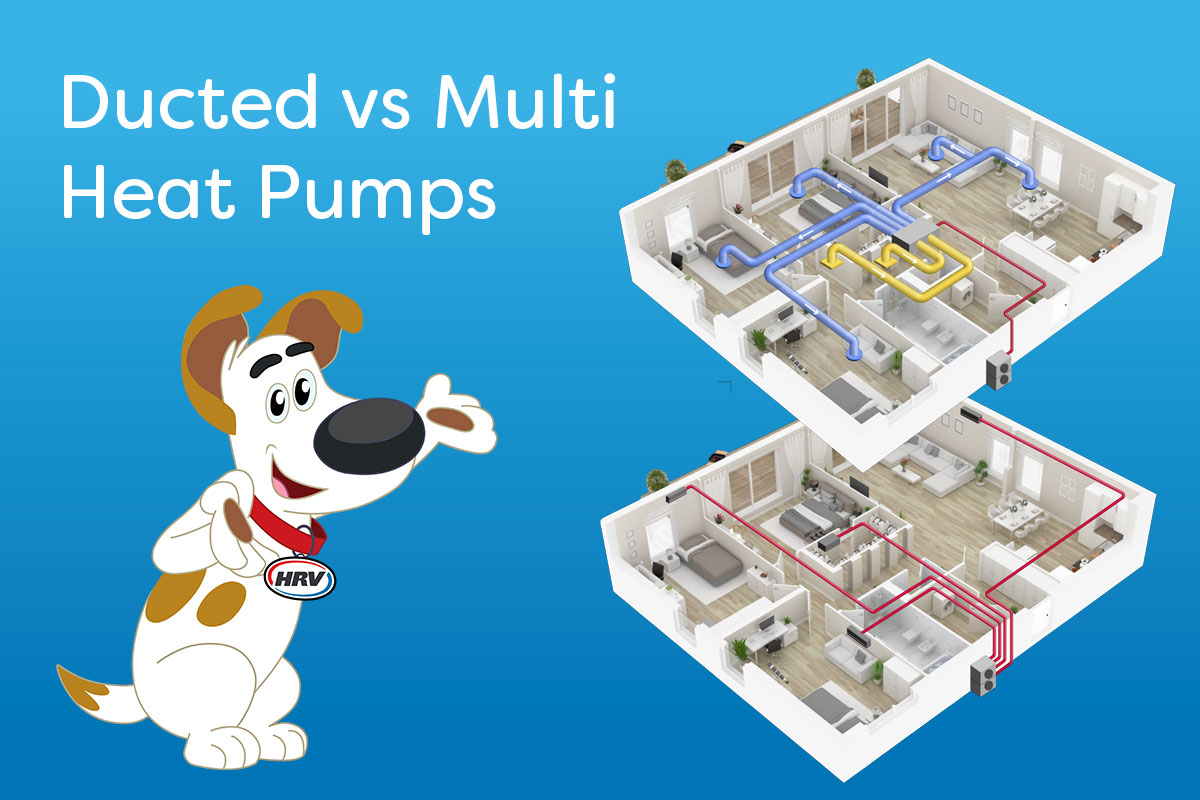
Keeping your home at the perfect temperature year-round is a top priority for any homeowner. However, navigating the myriad of climate control options available today can quickly become overwhelming. If you are currently exploring modern home heating systems, you have likely found yourself asking: what is the difference between a Ducted Heat Pump and a Multi Split Heat Pump?
Both of these systems are exceptional heating solutions that provide both warmth in the winter and crisp cooling in the summer. Yet, they operate differently, look different, and serve different household needs. Let’s break down these two popular HVAC systems to help you make an informed decision for your home.
Understanding the Basics: Heat Pump Types
Before comparing the two, it is essential to understand how these heat pump types function fundamentally. Both systems extract heat from the outside air and move it indoors (and vice versa for cooling), but their delivery methods differ significantly.
What is a Ducted Heat Pump?
A ducted heat pump functions as a centralized system. It consists of an outdoor compressor unit connected to a large indoor central unit. This indoor unit uses an extensive network of metal or fiberglass tubes known as ductwork hidden within your walls, floors, or ceilings to distribute conditioned air throughout the entire house.
What is a Multi Split Heat Pump?
A multi split heat pump, on the other hand, is generally a ductless system. It also features a single outdoor compressor, but instead of connecting to one large central unit, it connects to multiple separate indoor units placed in different rooms. Each indoor unit conditions the air specifically for the room it occupies.
Ducted vs Multi Split: Key Differences
When evaluating ducted vs multi split systems, several critical factors come into play, from how they look in your living room to how they allow you to control your environment.
Aesthetics and Installation
One of the most immediate differences is visual. For homeowners who value minimalism, the aesthetic impact of wall mounted heat pumps used in multi-split systems can be a concern. These units are visible on the wall. Conversely, a ducted system provides highly discreet heating and cooling solutions, as only flush ceiling or floor grilles are visible.
However, multi-split technology has evolved. If you want a ductless system but dislike the look of a wall unit, you can opt for a bulkhead installation for multi-split indoor units. This involves hiding a slim, compact unit within a dropped ceiling or closet, offering a clean, hidden look without requiring whole-house ductwork.
Installation complexity also varies greatly. When looking at the mechanics of an air handler vs wall-mounted evaporator, installing a central ducted air handler requires extensive space and labor. If you are retrofitting central heating in older homes, tearing down drywall to install bulky ducts is often entirely impractical. For this reason, a multi split heat pump is the premier choice for whole home heating for houses without ducts.
Temperature Control and Comfort
When comparing a multi-zone mini split vs central heat pump, temperature control is a major differentiator.
A traditional ducted system is controlled by a single, central thermostat. While zoning dampers can be added to ducted systems, they are generally less precise. Multi-split systems, however, are inherently individual room temperature control systems. Because each room has its own indoor unit, family members can set different temperatures in different rooms simultaneously.
Performance, Efficiency, and Costs
Modern heat pumps are renowned for their energy efficiency, largely because both systems utilize advanced, energy efficient inverter technology heat pumps. This technology allows the compressor to variable adjust its speed, maintaining consistent temperatures without turning on and off constantly. But how do the two compare financially and operationally?
Is a Ducted Heat Pump More Efficient Than Multi Split?
Homeowners frequently ask, is a ducted heat pump more efficient than multi split? Strictly speaking, multi-split systems often have a slight edge in raw efficiency. Central systems lose a percentage of their conditioned air through leaks or poor insulation in the ductwork especially if ducts run through unconditioned spaces like attics.
Because multi-split systems deliver air directly into the room, they experience zero duct-loss. Consequently, you will often see incredibly high SEER ratings for multi-split systems.
When you evaluate multi split vs ducted running costs, multi-splits offer an additional saving mechanism: behavioral efficiency. With a multi-split, you can simply turn off the heating or cooling in empty guest rooms, significantly lowering your monthly utility bills.
Upfront Pricing
Budget is always a deciding factor. People often ask, “how much does ducted heat pump installation cost?” The answer depends heavily on your home’s current infrastructure. If you already have existing, well-sealed ductwork, installing a ducted heat pump can be quite affordable. However, if you have to design and install brand-new ductwork from scratch, the upfront cost of a ducted system will likely surpass that of a multi-split system.
Choosing Between Ducted and Ductless HVAC
When making the final call on central air conditioning vs ductless units, consider the following actionable tips:
- Assess your existing infrastructure: If your home already features intact, high-quality ductwork, a ducted heat pump is a natural, cost-effective upgrade.
- Evaluate your home’s layout: Older homes, additions, and homes with flat roofs are prime candidates for multi-split systems due to the lack of crawl spaces for ducts.
- Determine your lifestyle needs: Do you and your family constantly argue over the thermostat? If one person loves a freezing bedroom while another wants a warm living room, prioritize the individual zoning of a multi split heat pump.
- Consider your budget: Weigh the upfront installation costs against long-term operational savings.
The Final Verdict
Ultimately, there is no one-size-fits-all answer to the ducted heat pump vs multi split heat pump debate.
If you prioritize invisible, whole-home, uniform climate control and have the space to accommodate ductwork, a ducted heat pump is a magnificent investment. Conversely, if you want hyper-efficient, room-by-room customization, or if you are looking for an elegant way to bypass the nightmare of tearing up your home’s historic plaster, a multi-split system is the way to go.
By understanding your home’s architecture, your family’s comfort preferences, and your budget, choosing between ducted and ductless HVAC systems becomes a clear and confident decision. Both technologies represent the future of eco-friendly, highly efficient home comfort.
View our Ducted Brochures:
View our Multi Split Brochures


Online recommendation builder
Find HRV products to suit your home in around 2 minutes.
Get a recommendation