
 What's there to know on Multi Split Heat Pumps?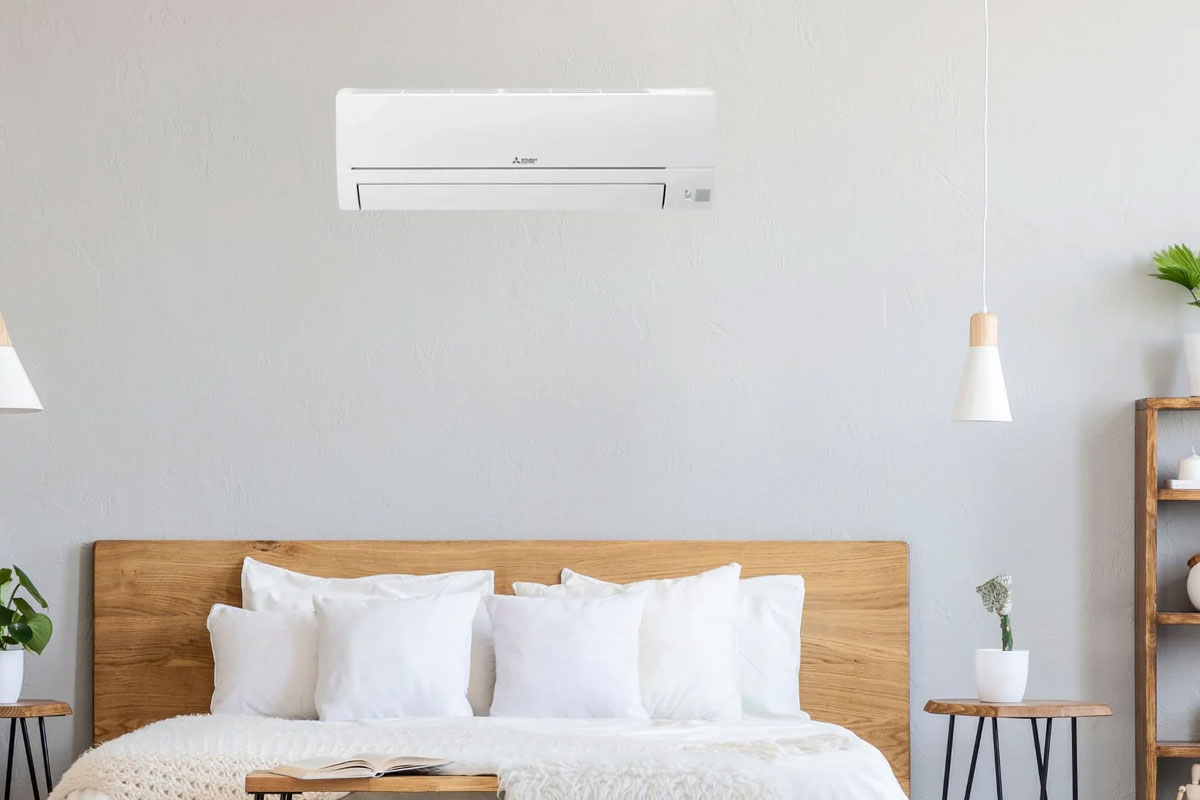
A multi-split heat pump solution gives you many of the advantages of having individual heat pumps in different rooms, but with only one outdoor unit powering multiple indoor units. For many homes, that means a cleaner looking exterior (one outdoor unit instead of several) while still getting targeted heating and cooling where you need it most.
In a multi-split system, each indoor unit typically has its own remote control, and many models can also be managed via a smartphone app if you choose a WiFi option. Because all indoor units share the capacity of the one outdoor unit, the system works best when it’s designed around how your household uses rooms at the same time (for example, bedrooms at night and living areas during the day).
When you want the flexibility of room by-room comfort and the efficiency benefits that can come with a single outdoor unit, a multi-split system from HRV could be the ideal solution for multi room comfort.
How a multi-split heat pump works
Multi-split heat pumps work on the same core principle as other heat pumps: they move heat rather than generating it. In winter, the system draws heat energy from the outdoor air and transfers it inside. In summer, it reverses the process, removing heat from inside rooms and releasing it outdoors.
The key difference is the layout:
One outdoor unit sits outside and contains the compressor and main heat-exchange components.
Multiple indoor units are installed in the rooms you want heated and/or cooled.
Refrigerant lines connect each indoor unit back to the outdoor unit, allowing the system to move heat where it’s needed.
Outside, one single, powerful unit does the hard work, removing heat from your home in summer and delivering it in winter. Inside, each room that you want heated or cooled has its own high wall or floor mounted unit, each one controlled to help tailor each room’s comfort to your needs.
Why many New Zealand homes consider multi room heat pumps
Every home has its own layout, sun exposure, insulation levels, and just as importantly its own family routine. Multi-split systems can be a strong fit when you want comfort in more than one room but don’t want multiple outdoor units on the exterior of the house.
Common reasons households look at multi-split options include:
Heating and cooling more than one space (for example, lounge plus bedrooms).
Reducing outdoor clutter compared to installing several separate single-split systems.
Targeted comfort control so you can focus heating/cooling on occupied rooms.
Future proofing if you’re renovating or planning to convert a spare room into an office or nursery.
Multi-split vs multiple single-split systems
Both approaches can deliver effective heating and cooling. The best choice depends on your home’s design constraints and how you use your rooms.
Multi-split (one outdoor, several indoor units) can be appealing if you want a simpler exterior look and you’re comfortable with a shared pool of capacity from one outdoor unit. When multiple rooms call for heating or cooling at the same time, the system divides output across those indoor units – so the design and sizing stage matters.
Multiple single-split systems (several outdoor units) can make sense if you want each room or zone to have completely independent capacity and you have enough suitable outdoor space for more than one unit. This approach can provide strong performance when multiple spaces must be conditioned simultaneously, but it may increase exterior visual impact and installation complexity in some properties.
An HRV assessment can help you compare these options in the context of your home’s layout, outdoor placement constraints, and the rooms you care most about.
Indoor unit options: high wall and floor mounted
One of the advantages of multi-split is the ability to select indoor unit styles that suit different rooms. From the HRV multi room offering, indoor units can include high wall and floor mounted options.
High wall units are a common choice for living rooms and bedrooms. They’re mounted high on an interior wall and can distribute air across the space efficiently.
Floor mounted units can be useful where wall space is limited, where you prefer heat delivered at a lower level, or where the room layout makes a wall unit less practical.
The right indoor unit choice depends on room size, furniture placement, window locations, and the most practical pathway for refrigerant lines.
Control and convenience
Multi room comfort is as much about control as it is about capacity. In many setups, each indoor unit can be adjusted with its own remote, allowing you to set different temperatures and operating modes by room. With a WiFi option, you may also be able to control settings through a smartphone app – useful for getting the house comfortable before you arrive home or for adjusting bedroom settings without getting up.
Because indoor units are connected to one outdoor unit, it’s worth thinking about how your household uses rooms at the same time. For instance, if the lounge and multiple bedrooms regularly require full heating simultaneously on cold winter nights, your installer will need to size the outdoor unit and indoor units so the system can meet that demand effectively.
Design considerations that affect performance
Heat pump performance is influenced by more than just the model you choose. A good design looks at your whole home and your comfort priorities.
Key considerations include:
Room size and ceiling height: Larger volumes of air take more energy to heat or cool.
Insulation and draughts: Better insulation and fewer gaps typically mean the system can maintain comfort more efficiently.
Sun exposure and glazing: Big sun facing windows can add heat in summer; shaded rooms may need more heating in winter.
Door habits: If doors are often left open, conditioned air can move between spaces, changing what each unit must handle.
Outdoor unit location: Access for airflow, noise considerations, and serviceability all matter.
How many rooms run at once: Multi-split capacity is shared; usage patterns should match system design.
What to expect during installation
Installation typically involves mounting the outdoor unit, installing indoor units in selected rooms, and running refrigerant pipework and electrical connections between them. The complexity can vary depending on the number of rooms, the home’s construction type, and how easily piping can be concealed.
To help the project go smoothly, it’s useful to consider:
Preferred indoor unit positions (clear airflow, minimal obstruction, practical drainage).
Pipework routes (shorter, simpler paths are often easier to install and conceal).
Outdoor unit placement (solid base, good airflow, and an appropriate distance from bedrooms or neighbouring boundaries where needed).
HRV’s free home assessment is designed to help map out the most suitable configuration for your home and comfort goals.
Running costs and efficiency: how to get the best results
While exact running costs depend on electricity prices, climate, insulation, and how you operate the system, there are practical steps that often help households get better value from multi room heat pumps:
Heat/cool the rooms you use: Focus on occupied spaces and adjust unused rooms accordingly.
Use steady settings: Constantly switching the system on and off or setting extreme temperatures can be less efficient and less comfortable.
Set realistic temperatures: Small changes in set point can reduce energy use without sacrificing comfort.
Keep filters clean: Clean filters help airflow and performance.
Pair with good ventilation: Managing moisture and stale air supports overall indoor comfort and can help your heating and cooling feel more effective.
Maintenance and care
Regular maintenance helps keep performance consistent and can extend the life of your system. As a starting point, most households can:
Clean or check indoor unit filters periodically (frequency depends on use and dust levels).
Keep outdoor units clear of leaves and obstructions so airflow isn’t restricted.
Listen for unusual noises and address issues early.
Schedule professional servicing as recommended for your system.
A well maintained system is more likely to deliver the comfort you expect, especially across peak seasons.
Build a solution that’s right for your home
Every New Zealand home and family are different. And a solution that’s awesome for Auckland might not cut it in Christchurch. HRV’s Home Solution Generator takes just three minutes and gives you heating, cooling and ventilation options based on your needs.
Get an online recommendation now
Quick FAQs
How many rooms can a multi-split heat pump handle?
That depends on the system design and capacity, the size and insulation of each room, and how many rooms you plan to run at the same time. A home assessment can help determine a suitable configuration.
Can I set different temperatures in different rooms?
In many multi-split setups, each indoor unit has its own controls. Because the outdoor unit’s capacity is shared, performance in one room can be influenced by how many other rooms are calling for heating or cooling at the same time.
Is WiFi control available?
WiFi control can be available as an option on some systems, allowing you to manage settings via a smartphone app.
What’s the next step?
If you’d like a tailored recommendation, start with HRV’s online tool or book a free home assessment so you can match the right system to your home, climate, and comfort priorities.

Online recommendation builder
Find HRV products to suit your home in around 2 minutes.
Get a recommendation