
 WHO-Recommended Indoor Temperatures: Ideal for NZ Homes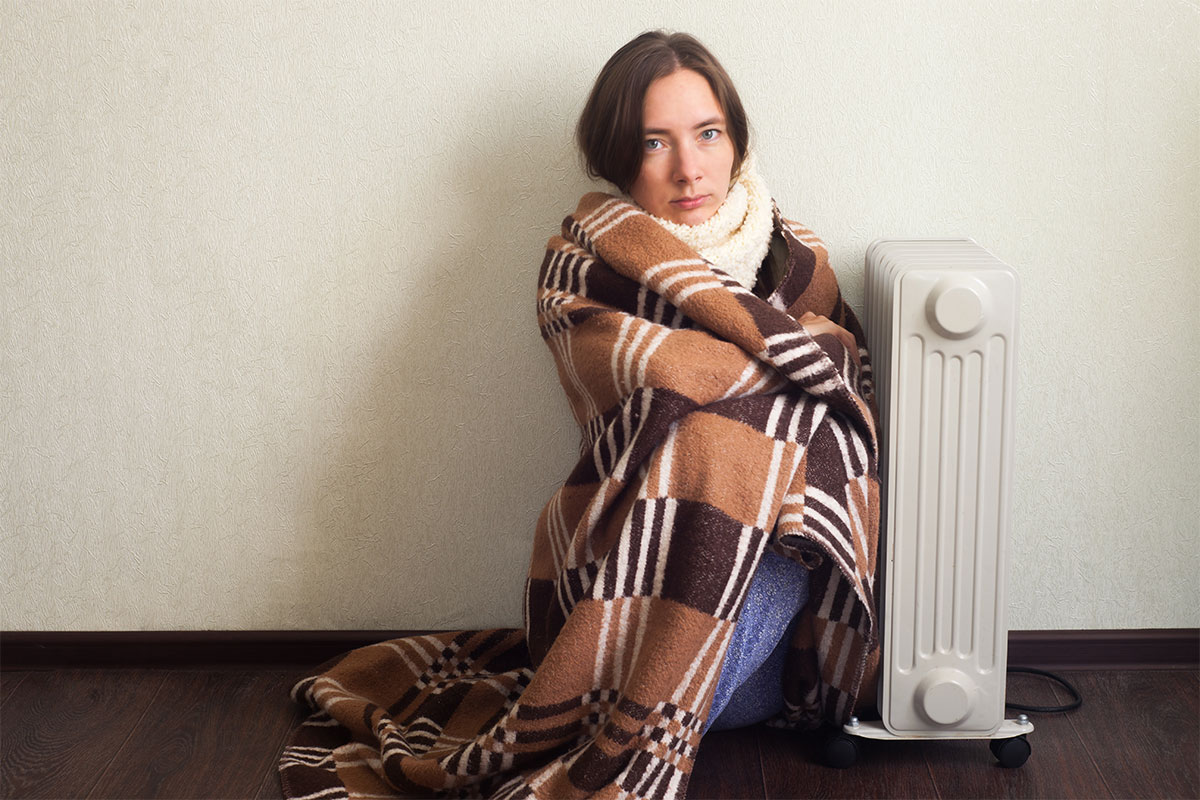
We’ve all had those winter mornings where you can clearly see your breath in the hallway. Kiwis historically treat this freezing ritual as a rite of passage, telling each other to simply put on another jumper. However, that visible puff of air is a warning sign that your living environment is actively stressing your body.
According to the World Health Organization (WHO), treating warmth as a luxury is a mistake. The WHO sets recommended indoor temperatures for healthier New Zealand homes (18–20°C) as a prescription for your heart and lungs. Think of this target as the minimum healthy indoor temperature NZ residents need to safely rest. Once a room drops below this health threshold, your blood pressure rises and your respiratory system becomes highly vulnerable.
To protect your family, try viewing your house as a living organism. Your insulation acts as a protective jacket, while the heater serves as a heart pumping warmth through the space. Maintaining this baseline provides the minimum 18°C operating temperature required to keep everyone safe during flu season.
The Biology of Cold: How Temperatures Below 16°C Impact Your Heart and Lungs
When indoor air drops to 16°C, you enter the danger zone for the impact of cold housing on respiratory health. Breathing in this chilled air forces your lungs to work significantly harder, irritating your airways and often triggering that lingering, familiar Kiwi “winter cough.”
For those already dealing with sensitive lungs, this slight drop makes a massive difference, which is why medical professionals heavily emphasize maintaining a stable room temperature for asthma sufferers. While many people wonder what is the best temperature for sleeping NZ winters through, letting the bedroom dip too low means your body spends the entire night fighting to stay warm instead of actually resting. The physical cost of toughing it out is surprisingly high when your respiratory system is constantly under stress.
Plunging even further down the thermometer to 12°C triggers an automatic physiological cooling response where your blood vessels constrict to protect your core organs. This survival mechanism naturally causes your blood pressure to rise, putting unnecessary strain on your cardiovascular system before you even step out of bed. If a healthy adult’s heart struggles at these temperatures, it quickly becomes clear why 20°C is the crucial target for more vulnerable family members.
Why 20°C is the Magic Number for Infants and Seniors
While healthy adults can manage at 18°C, you might wonder exactly what is the recommended temperature for your home when vulnerable family members are present. For rooms with babies or seniors, the target must sit at 20°C. Maintaining this optimal room temperature provides a crucial daily barrier against winter illnesses and cardiovascular stress.
The distinct thermal comfort levels for infants and elderly individuals come down to three major biological vulnerabilities:
Less protective tissue: Babies lose body heat rapidly, while aging skin struggles to retain it.
Lower metabolic rates: Seniors naturally generate less internal heat, and infants haven’t yet developed the physical ability to shiver.
Fragile immune responses: Being persistently cold drains the physical energy their bodies desperately need to fight off seasonal flu viruses.
Setting your heat pump to consistently hit this 20°C goal in high-risk bedrooms keeps your family physically safe. However, simply turning up the dial won’t entirely solve that familiar Kiwi damp feeling, because warm air behaves exactly like a sponge when it encounters moisture.
Warm Air is a Sponge: Using Temperature to Defeat Mold and Condensation
Wiping down moisture on windows on a frosty morning is a common Kiwi chore, prompting questions about why homes feel so wet inside. The secret lies in the fundamental difference between dry heat and damp cold. Think of the air inside your living room as a giant, invisible sponge. When that sponge is comfortably warm, it expands to easily hold the everyday moisture created by cooking, showering, and simply breathing.
Squeezing a wet sponge forces the water out, and dropping temperatures do exactly the same thing to airborne moisture. When your home cools dramatically overnight, the shrinking air dumps its excess water onto the coldest surfaces available. This is why reducing condensation on single glazed windows is such a familiar morning struggle. By keeping your baseline temperature at that 18°C mark, you keep the “air sponge” large enough to safely hold that moisture in the air until you can ventilate the room the next day.
Maintaining this steady warmth is the most effective foundational strategy for how to prevent mold in New Zealand houses. Fungal spores thrive in damp corners, but by stopping the invisible sponge from squeezing water onto your walls, you starve the mould before it grows. This heat-moisture relationship acts as a foundational defense against dampness, but tracking your actual indoor environment requires precision.
Heat Pumps vs. Portable Heaters: Achieving 18°C Without Breaking the Bank
Returning to a freezing house often triggers the instinct to immediately crank the heater. However, this common “blasting” strategy actually drives up your power bill. When rooms drop to 12°C, your appliance works overtime warming freezing walls and furniture, not just air. One of the main benefits of maintaining constant 18 degrees Celsius is that your system only needs to “top up” the warmth, preventing expensive energy spikes.
Winning the daily battle of electric heaters vs heat pumps for warming rooms comes down to operation. Oil columns generate heat directly, so you pay for every unit created. Heat pumps instead act like heat movers; they pull existing warmth from outside air and amplify it indoors, making them roughly three times more efficient than a standard plug-in.
To see how this efficiency protects your wallet, compare the estimated running costs to produce 2 kilowatts of heat:
2kW electric heater: ~60 cents hourly.
2kW-output heat pump: ~20 cents hourly.
Mastering energy-efficient heating settings means leaving your heat pump running steadily on low instead of turning it off completely during work hours. Even the most efficient heating setup fails if your house loses warmth instantly through poor structural heat retention.
Putting on the Jacket: Insulation and the Warmer Kiwi Homes Grant
Running a heater in an uninsulated house is like facing a southerly storm wearing just a t-shirt. Your home needs a thick “jacket” to trap the warmth. Because heat escapes so easily, ceiling and underfloor insulation act as your primary defenses. You can also implement cost-effective ways to insulate cold NZ homes right away, like applying simple draft-stopping tape to rattling wooden windows to block the evening breeze.
The good news is that securing this thermal barrier won’t necessarily drain your savings. The government provides significant financial assistance to help install these essential layers. By checking the EECA Warmer Kiwi Homes grant eligibility online, qualifying lower-income homeowners or Community Services Card holders can get 80 to 90 percent of their ceiling and underfloor insulation costs completely covered.
Families living in rentals face a different reality when trying to escape the winter chill. Property investors must legally provide an adequately warm environment, which includes proper insulation and heating baselines.
Know Your Rights: What the Healthy Homes Standards Mean for Renters
Living in a rented villa shouldn’t mean accepting the winter chill as part of your tenancy agreement. If you are struggling to reach the minimum healthy indoor temperature experts recommend, the law is on your side. The Healthy Homes Standards requirements for landlords shifted a warm rental from a lucky find to a legal right. They must provide:
Heating: A fixed heater in the main living room capable of reaching 18°C.
Draft-stopping: Sealed gaps around doors and windows to block outside breezes.
Moisture Barriers: Ground covers underneath the house to stop rising dampness.
Approaching your property manager about these rules can feel intimidating, but you are simply ensuring your family’s safety. Start by asking for the property’s compliance report. Securing these legal baselines is the first step toward building a sustainable winter defense plan.
Your 3-Step Plan for a Healthier Winter: From Measurement to Maintenance
You no longer have to accept the winter cough as a normal part of Kiwi life. Maintaining recommended indoor temperatures (18–20°C) is a proven way to protect your family’s respiratory health. Transform your space from cold and damp to a healthy sanctuary by starting with this 3-Step Warm Home Action Plan:
Measure: Place a simple thermometer and hygrometer in your living areas to track your baseline.
Seal: Zip up your home’s “jacket” by drawing thermal curtains and blocking under-door drafts.
Heat: Run your heating systems efficiently to consistently reach that ideal home temperature without massive spikes.
Treat that 18°C mark as a protective health barrier rather than an expensive luxury. Each time you block a draft or monitor your rooms, you are actively investing in fewer sick days. If heating upgrades feel financially overwhelming, explore the government’s Warmer Kiwi Homes grants to help bridge the gap.
Source: https://www.ehinz.ac.nz/indicators/indoor-environment/about-the-indoor-environment-and-health/


Online recommendation builder
Find HRV products to suit your home in around 2 minutes.
Get a recommendation